

What Are "Safety Distances" for Electricity Meters: Creepage Distance vs. Clearance?

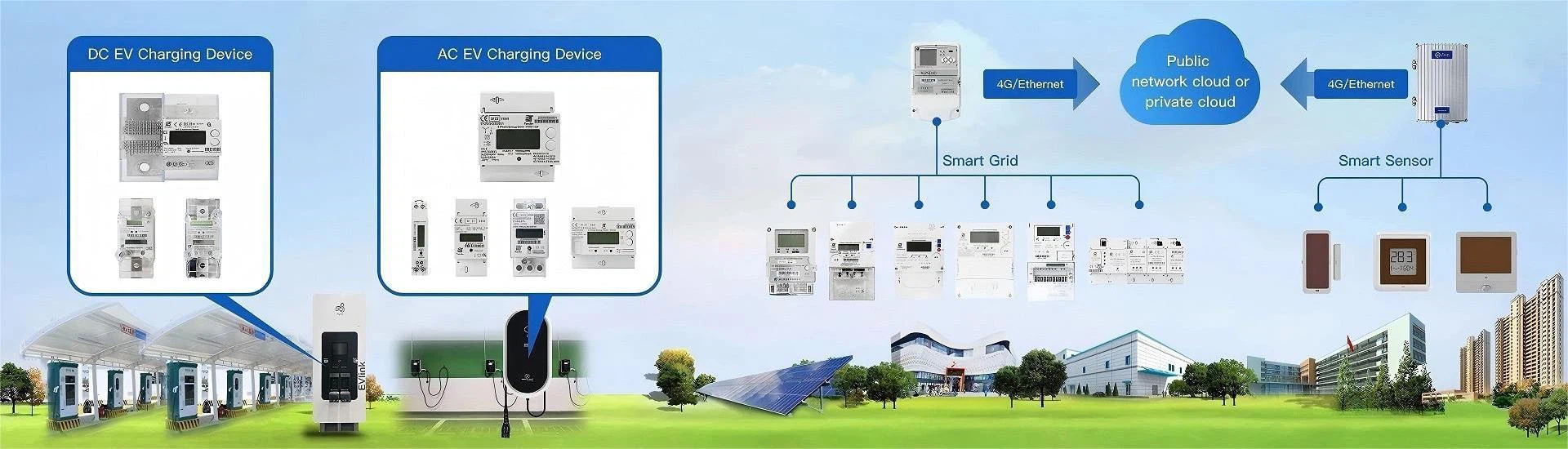
Take electric vehicle (EV) charging piles (a common electrical device) as an example: internal live metal components need to maintain "safety distances" - otherwise, sparks may occur, damaging the meter at best or causing hazards at worst. These two critical distances are creepage distance and clearance, core indicators for electrical equipment insulation safety.
Clearance: The "Air Straight-Line Safety Distance" Between Live Parts
Clearance refers to the shortest straight-line distance through air between two live components. Its purpose is to prevent current from "arcing through air." Air acts as an "invisible insulation barrier": if the distance is sufficient, current cannot cross; if too small, air will be ionized (similar to static sparks when removing sweaters in winter, but far more dangerous in meters).
Creepage Distance: The "Surface Path Safety Distance" Along Insulators
Creepage distance is the shortest path along the surface of insulating materials between two live parts (e.g., the plastic housing surface between meter terminals). Current cannot penetrate insulators directly, but it may "creep" along the surface (called "creepage phenomenon"). A longer creepage distance better prevents current from forming a conductive path.

Creepage Distance vs. Clearance: Key Differences
| Feature | Clearance | Creepage Distance |
|---|---|---|
| Measurement Path | Straight line through air | Along insulator surface |
| Risk Prevented | Air breakdown & sparks | Surface creepage conduction |
| Simple Analogy | "Long jump" across a river | "Detour" along a riverbank |
How Does Altitude Affect Electricity Meters? Air Insulation Is the Key
Many notice that electricity meter manuals specify an "altitude limit" (e.g., "Max operating altitude: 2000m"). This is not the meter being "fragile" - altitude directly impacts air insulation performance.
Higher Altitude = Thinner Air = Weaker Insulation
As altitude rises: atmospheric pressure drops → air molecule density decreases (like a dispersed crowd). Air's insulation capability is directly tied to its density: thinner air has weaker insulation, making it easier for current to break through.
Direct Impacts of High Altitude on Meters: "Safety Distances" Fail
Creepage distance and clearance in meters are designed for low-altitude (plain) air density: a "safe air gap" in plains becomes a "narrow bridge" at high altitudes. Thin air is easily ionized, allowing current to arc - leading to:
Internal discharge & reduced insulation → inaccurate metering;
Component burnout, short circuits, or even fire hazards.
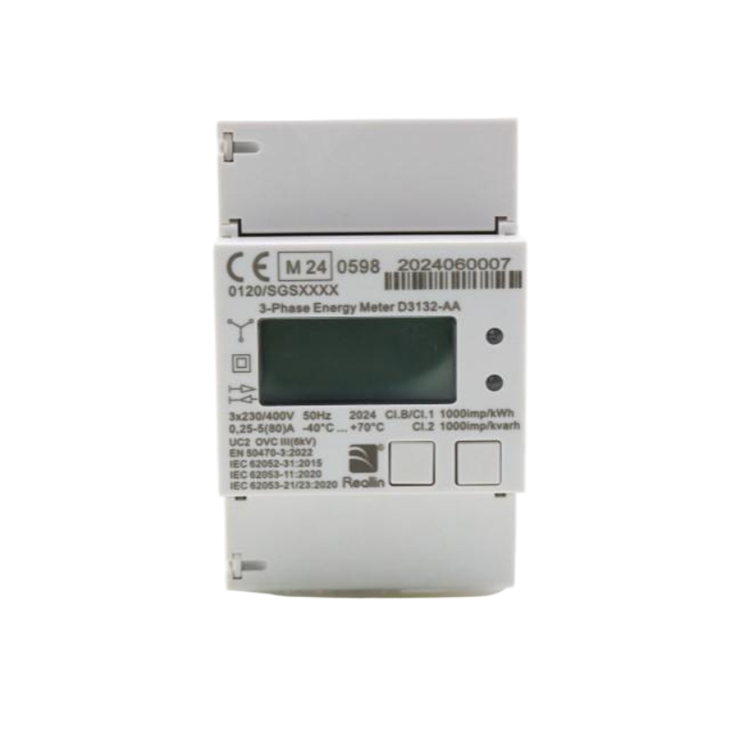

Why Do Meters Have "Altitude Limits"? It's Scientific Safety Protection

Manufacturers calculate sufficient creepage distance/clearance based on the target region's altitude. Exceeding the stated altitude reduces air insulation, making the original "safe distances" inadequate. This is a universal safety standard for electrical devices (e.g., meters, charging piles) - not a quality issue.