

Have you ever wondered why some charging stations can charge an electric vehicle to 80% in just over ten minutes, while others take all night? What's even more puzzling is why fast charging stations have thick and heavy charging guns, while slow charging stations have much lighter guns?
The answer lies in the words "direct current" and "alternating current".
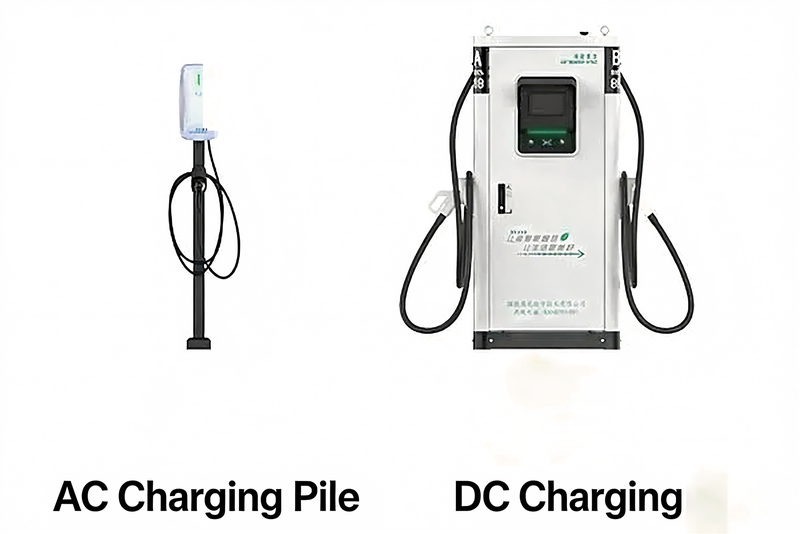
First, remember this key fact: electric vehicle batteries only accept direct current (DC). No matter how you charge them, the final power entering the battery must be DC.
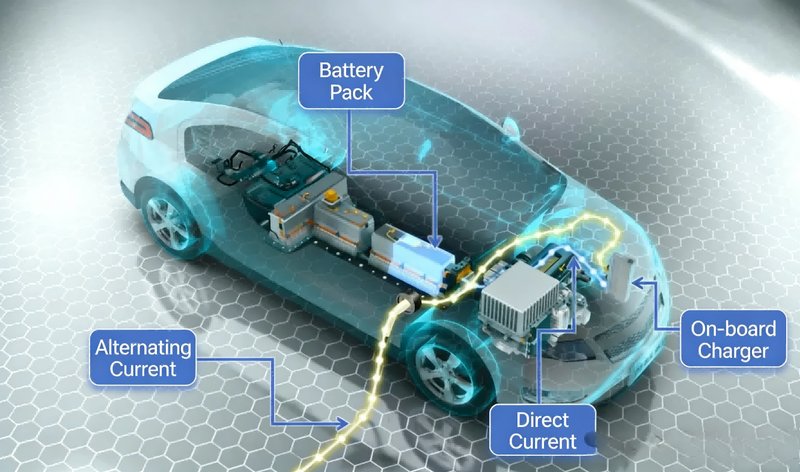
This is similar to your mobile phone – the battery can only accept DC. Household outlets supply 220V AC, so your phone needs a charger to convert the AC to DC power that the phone battery can use.
The same applies to electric vehicles. When you use a slow charging station, AC power from the grid enters the vehicle through the charging gun, and then the onboard charger completes the "AC to DC" conversion. The problem is that onboard chargers are limited by the space, weight, and heat dissipation conditions inside the vehicle, so their power output cannot be very high. The power output of onboard chargers in common models is generally between 3.3 kilowatts and 7 kilowatts, with the highest being around 11 kilowatts.
This is like having a phone with only a low-power charger-it can charge, but slowly.
Fast charging stations take a different approach: they move the AC-to-DC conversion from inside the car to the charging station. The fast charging station integrates a high-power AC-DC converter module, directly outputting DC power to the battery. This eliminates the need for the car's onboard charger, as the battery is directly fed with high-power DC power.
DC fast charging stations can have power ratings of tens of kilowatts, hundreds of kilowatts, or even megawatts (1 megawatt = 1000 kilowatts). Imagine using a 7-kilowatt "small water pipe" and a 120-kilowatt "fire hose" to simultaneously fill a pool of water-which is faster? The answer is obvious.
In summary:
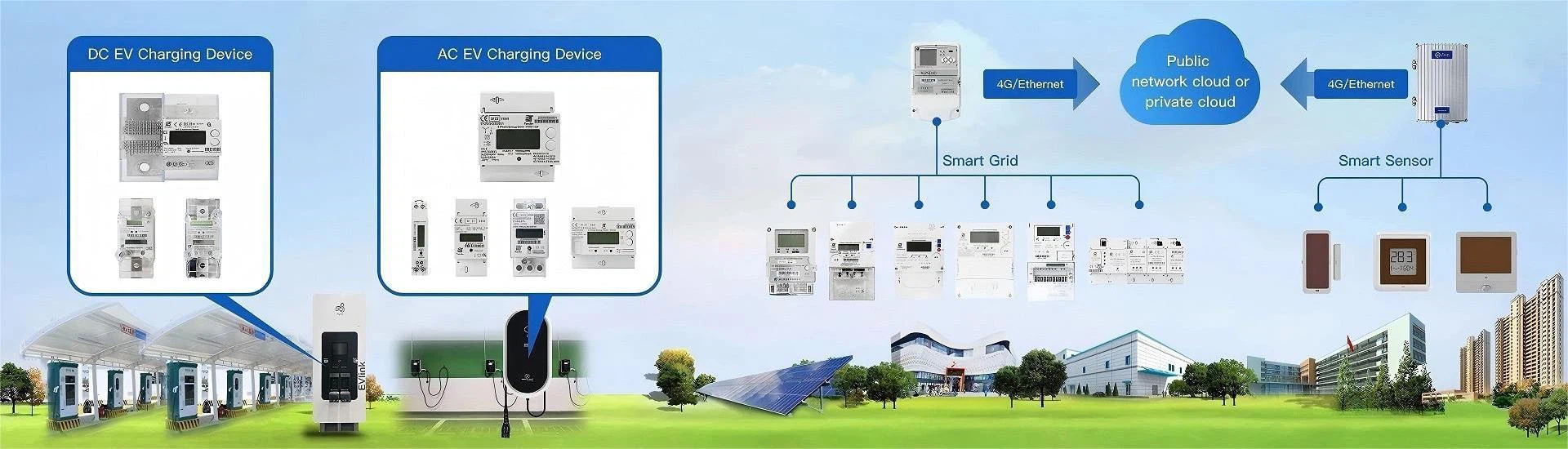
Slow charging stations (AC charging stations): Provide AC power, relying on a low-power charger inside the vehicle for conversion. Power output is low (3-11 kW), suitable for charging overnight or during extended parking periods.
Fast charging stations (DC charging stations): Provide direct DC power, with high-power conversion within the station. Power output is high (50-350 kW, or even higher), suitable for emergency charging on the go.
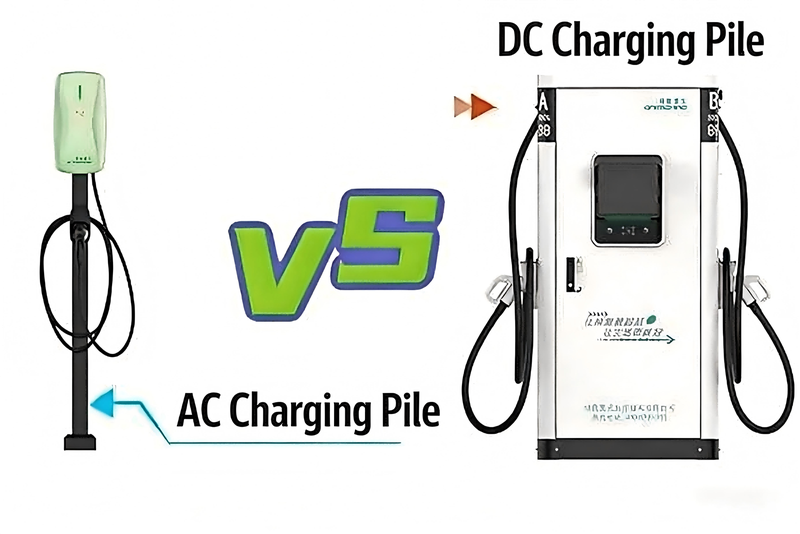
Finally, a little bonus: While DC fast charging is fast, frequent use may have some impact on battery life; AC slow charging, though slower, is the most "health-conscious." Therefore, slow charging is sufficient for daily commutes; use fast charging only for long-distance trips. Using both charging methods in combination will allow your electric vehicle to travel further and longer.