

What is a Smart Meter and What is it Used for?
In the digital age, smart meters have emerged as a revolutionary technology, transforming the way we measure, monitor, and manage energy consumption. Whether it's in the context of residential electricity use, commercial operations, or electric vehicle (EV) charging, smart meters are reshaping the energy landscape with their advanced capabilities.
What is a Smart Meter?
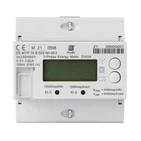
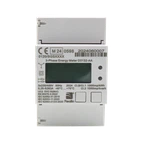
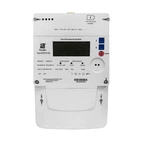
A smart meter is an advanced digital device that replaces traditional analog electricity meters. Unlike their predecessors, which only record total energy consumption over a period and require manual reading, smart meters are equipped with sophisticated sensors, microprocessors, and communication modules. They can measure electrical parameters such as voltage, current, power factor, and energy consumption in real - time.
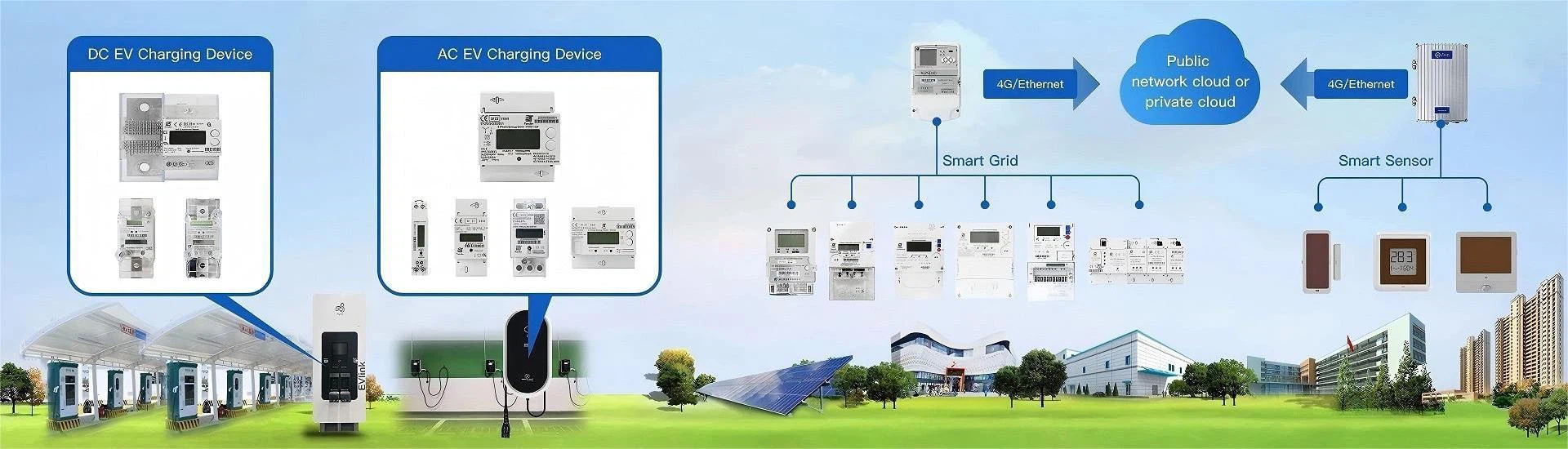
These meters communicate the measured data wirelessly or through wired connections to energy providers, building management systems, or even end - users' devices. Common communication technologies used by smart meters include Wi - Fi, Bluetooth, cellular networks (like 4G and 5G), and Power - line Communication (PLC), which allows data transmission over existing electrical power lines.
What is a Smart Meter Used For?
1. Accurate Energy Measurement and Billing
One of the primary functions of smart meters is to provide highly accurate energy consumption data. Traditional meters often rely on estimated readings when manual access is difficult, leading to inaccurate bills. Smart meters, on the other hand, record energy usage precisely and transmit the data regularly, enabling energy providers to generate bills based on actual consumption. This transparency benefits both consumers, who receive fair and accurate bills, and energy companies, which can improve their billing processes and customer satisfaction.
For example, in a residential setting, a smart meter can track the energy used by different appliances throughout the day, allowing homeowners to understand their consumption patterns and make more informed decisions to save energy and reduce costs.
2. Real - Time Energy Monitoring
Smart meters empower users to monitor their energy consumption in real - time. Through dedicated mobile apps, online portals, or in - home displays, consumers can access up - to - the - minute information about how much energy they are using, what time of day their usage peaks, and which devices consume the most power. This visibility encourages energy - saving behavior. For instance, if a user notices that their air conditioner is consuming a large amount of energy, they might adjust the temperature settings or use it more sparingly.
In commercial buildings, facility managers can use smart meter data to monitor the energy performance of different areas within the building, such as offices, warehouses, or cooling systems. They can then identify inefficiencies, like malfunctioning equipment or areas with excessive energy waste, and take corrective actions promptly.
3. Demand Response and Grid Management
Smart meters play a crucial role in demand response programs, which help balance electricity supply and demand on the grid. Energy providers can use the real - time data from smart meters to identify peak demand periods when the grid is under stress. During these times, they can offer incentives, such as lower electricity rates, to encourage consumers to reduce their energy usage. For example, a utility company might send a notification to customers via their smart meter - enabled app, asking them to delay running energy - intensive appliances like washing machines or dishwashers until off - peak hours.
Moreover, smart meters enable grid operators to monitor the health and performance of the electrical grid more effectively. By analyzing data from thousands of smart meters across a region, they can detect power outages, voltage fluctuations, and equipment failures in real - time. This allows for faster response times and more efficient grid maintenance, reducing the duration and frequency of power disruptions.
4. Integration of Renewable Energy Sources
As the world shifts towards renewable energy sources like solar and wind power, smart meters become essential for integrating these intermittent energy sources into the grid. Smart meters can measure the electricity generated by distributed renewable energy systems, such as rooftop solar panels, and also monitor the flow of energy between the renewable sources, the grid, and consumers.
This data helps grid operators manage the variable output of renewable energy. For example, when solar panels produce excess energy, smart meters can facilitate the transfer of that energy back to the grid. Conversely, when renewable generation is low, the grid can supply the necessary power to consumers. In this way, smart meters contribute to a more stable and sustainable energy ecosystem.
5. Electric Vehicle (EV) Charging Management
In the context of EV charging, smart meters are invaluable. They can accurately measure the energy consumed during EV charging sessions, enabling fair billing for EV owners. Smart meters also allow charging station operators to manage the charging process more efficiently. They can monitor the usage of multiple charging stations in real - time, allocate power resources based on demand, and even participate in vehicle - to - grid (V2G) applications.
For instance, during peak grid demand, smart meters can signal EV charging stations to reduce the charging rate or temporarily pause charging. In V2G scenarios, smart meters can enable EVs to feed electricity back to the grid when needed, using the vehicle's battery as a mobile energy storage unit.
In conclusion, smart meters are not just simple energy - measuring devices; they are powerful tools that offer a wide range of benefits for consumers, energy providers, and the overall energy infrastructure. As technology continues to evolve, smart meters will likely play an even more significant role in creating a more efficient, sustainable, and intelligent energy future.