

Smart Electricity Meters for the Intelligent Grid
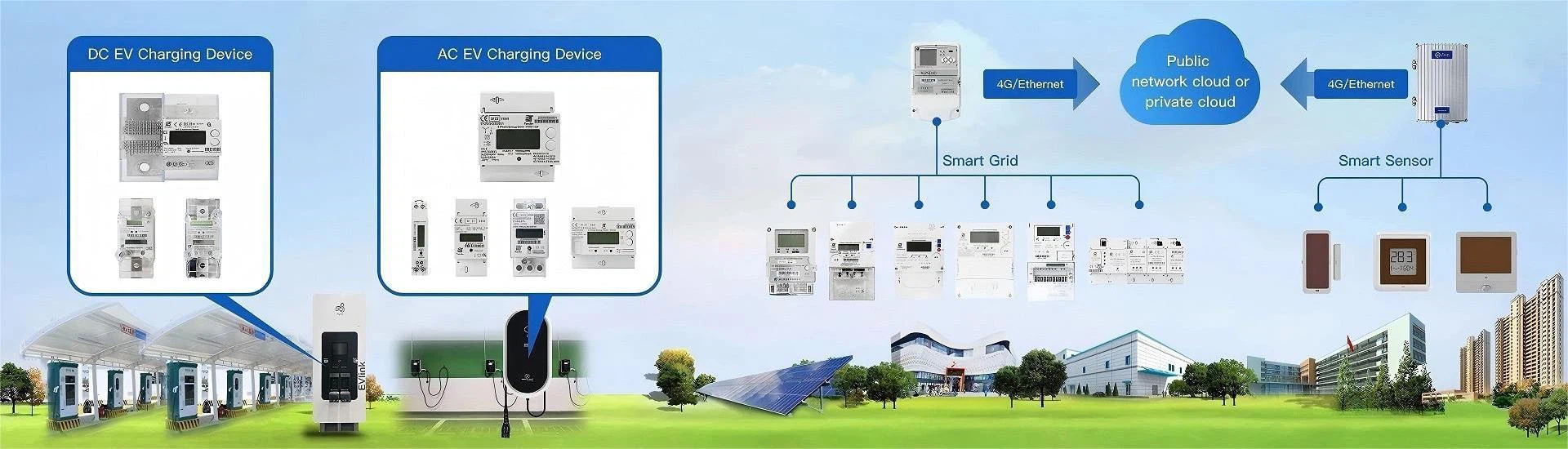
In the quest for a more efficient, reliable, and sustainable energy future, the intelligent grid has emerged as a revolutionary concept. At the heart of this modernized electrical infrastructure are smart electricity meters, which play a pivotal role in enabling the seamless operation of the intelligent grid.
What Are Smart Electricity Meters?
Smart electricity meters are advanced digital devices that have transformed the traditional process of measuring electrical energy consumption. Unlike their analog predecessors, which required manual readings and only provided basic consumption data, smart meters are equipped with a range of sophisticated features. They can precisely measure electricity usage in real - time, tracking parameters such as voltage, current, and power factor. This detailed data collection allows for a more accurate understanding of how electricity is being consumed, not just in terms of the total amount but also in terms of when and how the power is being utilized.
Key Components and How They Work
Measurement Technology
Smart meters rely on digital sensors to measure the electrical current flowing through the circuits. These sensors can be based on different principles, such as the Hall - effect, which detects the magnetic field generated by the current. Voltage sensors are also integrated to measure the electrical potential difference. By multiplying the measured current and voltage values, the smart meter calculates the power consumption at any given moment. Over time, it accumulates this power data to determine the total energy consumed, typically measured in kilowatt - hours (kWh).
Communication Modules
One of the defining characteristics of smart electricity meters is their ability to communicate. They are equipped with various communication interfaces to transmit the measured data.
Wireless Communication: Technologies like Wi - Fi, Bluetooth, and cellular networks (such as 4G and 5G) are commonly used. For example, in a residential area, a smart meter can use Wi - Fi to connect to the homeowner's local network and then transmit data to the utility company's server. This allows for remote monitoring and management, eliminating the need for manual meter readings. Cellular - connected smart meters are especially useful in areas where wired connections are not feasible, such as rural or remote locations.
Power - line Communication (PLC): Some smart meters utilize PLC technology, which enables data transmission over the existing electrical power lines. This is a cost - effective solution as it doesn't require the installation of additional communication infrastructure. The meter modulates the data onto the power line signal, and a receiver at the utility company's end can demodulate the signal to retrieve the consumption data.
Data Processing and Storage
Smart meters often have built - in microprocessors and memory units. The microprocessor processes the data collected by the sensors, performing calculations and analytics. It can also store historical consumption data, which is valuable for analyzing usage patterns over time. For instance, the meter can store daily, weekly, or monthly energy consumption data. This stored data can be retrieved and used for various purposes, such as generating detailed energy consumption reports for users or helping utility companies identify trends and plan for future energy demands.
Role in the Intelligent Grid
Real - Time Monitoring and Management
Smart meters provide utility companies with real - time data on electricity consumption across their network. This allows for better monitoring of the grid's health and performance. For example, if there is a sudden spike in consumption in a particular area, the utility can quickly identify it and take appropriate actions. They can also detect any abnormal power fluctuations or equipment malfunctions, such as a faulty transformer or a short - circuit, by analyzing the data from multiple smart meters in the vicinity. This real - time monitoring helps in preventing power outages and ensuring the reliable operation of the grid.
Demand Response Programs
The intelligent grid aims to balance electricity supply and demand more effectively. Smart meters play a crucial role in demand response programs. Utility companies can use the data from smart meters to identify peak demand periods. During these times, they can offer incentives to consumers to reduce their electricity usage. For example, they can provide lower electricity rates during off - peak hours or offer rebates to customers who reduce their consumption during peak periods. Smart meters enable consumers to monitor their usage in real - time and adjust their behavior accordingly, such as running energy - intensive appliances like washing machines or dishwashers during off - peak hours.
Integration of Renewable Energy Sources
As the share of renewable energy sources, such as solar and wind power, in the energy mix increases, smart meters become even more important. Renewable energy generation is intermittent, depending on factors like sunlight and wind speed. Smart meters can communicate with distributed energy resources (DERs), such as rooftop solar panels or small - scale wind turbines. They can measure the amount of electricity generated by these DERs and also monitor the flow of electricity between the DERs, the grid, and the consumers. This information helps in integrating renewable energy into the grid more smoothly, ensuring that excess energy can be fed back into the grid when the generation exceeds local consumption and that additional power can be drawn from the grid when the renewable sources are not producing enough.
Improved Billing and Customer Service
For consumers, smart meters offer more accurate and detailed billing. Instead of relying on estimated readings, utility companies can bill customers based on the actual energy consumption measured in real - time. This transparency in billing helps build trust between the utility and the consumers. Additionally, consumers can access their energy consumption data through online portals or mobile apps provided by the utility. They can view their daily, weekly, or monthly usage, compare it with previous periods, and even set energy usage goals. This empowers consumers to take control of their energy consumption and make more informed decisions to save energy and reduce costs.
Challenges and Solutions in Smart Meter Implementation
Privacy Concerns
One of the main challenges associated with smart meters is privacy. Since these meters collect detailed information about a consumer's electricity usage, there are concerns about how this data is stored, shared, and protected. To address these concerns, strict data protection regulations have been put in place in many regions. Utility companies are required to implement robust security measures to safeguard the data. This includes encrypting the data during transmission and storage, limiting access to authorized personnel only, and anonymizing the data when used for research or analytics purposes.
Initial Investment and Infrastructure Requirements
The installation of smart meters requires a significant initial investment. Utility companies need to purchase the meters, install them at each customer's premises, and set up the necessary communication infrastructure for data transmission. In some cases, especially in rural or remote areas, building a reliable communication network can be challenging and costly. However, over time, the benefits of smart meters, such as reduced operational costs due to elimination of manual meter readings and improved grid management, can offset these initial investments. Governments can also play a role by providing incentives or subsidies to utility companies to encourage the adoption of smart meters.
In conclusion, smart electricity meters are an essential component of the intelligent grid. They enable more efficient energy management, enhance grid reliability, and facilitate the integration of renewable energy sources. While there are challenges to overcome in their implementation, the long - term benefits for both utility companies and consumers make them a crucial part of the future of the energy industry.