

As the core instrument for measuring electricity consumption, the electricity meter's development is deeply intertwined with the progress of the power industry and electronic technology. From its initial mechanical induction design to today's intelligent and interconnected systems, it has undergone four generations of iterations, gradually achieving a leapfrog upgrade from basic metering to intelligent management and control.

First Generation: Mechanical Induction Electricity Meters (1889 - 1970s)
In 1889, the German inventor Blathy successfully invented the world's first induction-type mechanical electricity meter, laying the foundation for electricity metering.
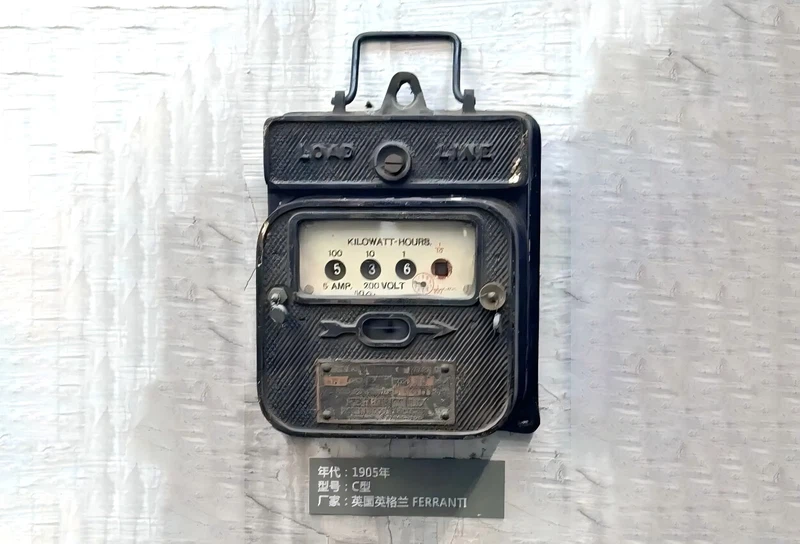
The core structure of this type of electricity meter consists of two coils with iron cores and an aluminum disc mounted on a rotating shaft. Using the principle of electromagnetic induction, the magnetic field generated by the coils drives the aluminum disc to rotate, and a transmission mechanism then drives a dial to count, thus measuring electricity consumption.

It possessed significant advantages such as simple structure, safe operation, affordable price, and durability, and was also easy to mass-produce. Its daily use and maintenance were extremely convenient, perfectly meeting the needs of the early stages of electricity popularization. It was rapidly adopted globally and became the dominant type of electricity meter for nearly a century.

Second Generation: Electromechanical Electricity Meters (1970s-1980s)
Entering the 1970s, the rapid development of electronic technology and components provided the technical support for the upgrading and iteration of electricity meters, leading to the emergence of the second-generation electromechanical electricity meters.
This was not a complete overhaul of the first-generation mechanical meters, but rather an addition of a pulse conversion device to the existing mechanical metering core. Electronic components were used to convert the electrical energy signal into a pulse signal, which then drove a motor to rotate the dial and complete the measurement.

This improved design, while retaining the stability of mechanical meters, initially incorporated electronic technology elements, improving metering accuracy and building a transitional bridge for the subsequent development of electronic electricity meters. It met the gradually increasing demands of the power system for metering accuracy at that time.
Third Generation: Electronic Electricity Meters (1980s - Early 21st Century)
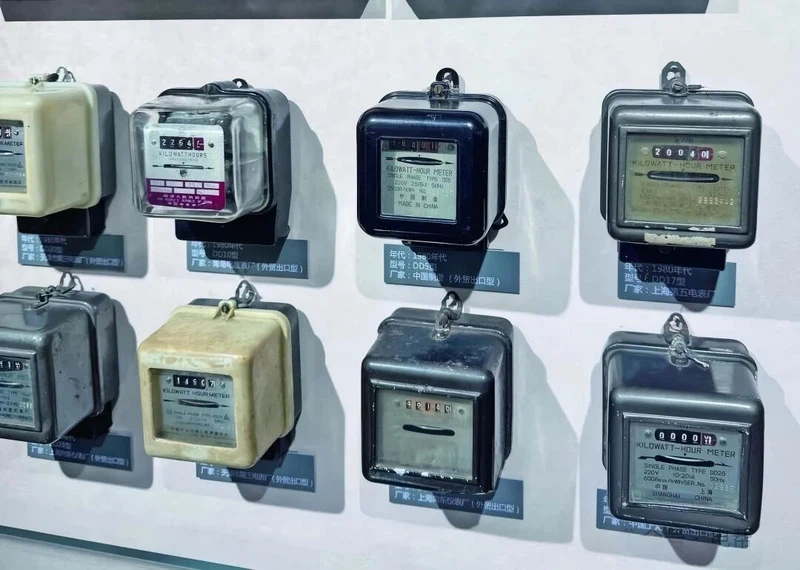
After the 1980s, the maturity of electronic technology propelled electricity meters into the all-electronic era. The third generation of electronic electricity meters gradually replaced electromechanical meters, becoming the new protagonist in electricity metering.
Unlike the previous two generations of meters that relied on mechanical structures, electronic electricity meters adopt a fully electronic metering scheme. They use high-precision sensors to sample the user's power supply voltage and current in real time, and then convert the sampled signals into standard pulse outputs through signal processing circuits to achieve energy metering. Their greatest advantage lies in their powerful functionality; they can be used for multiple purposes, not only accurately measuring electrical energy but also adapting to diverse needs such as time-of-use billing, load monitoring, and remote meter reading. They have played a crucial role in power production and dispatch, refined power consumption management, and optimized operation of power generation and distribution systems, driving the transformation of the power industry from traditional operation and maintenance to automated management.

Fourth Generation: Smart Electricity Meters (2009 to Present)
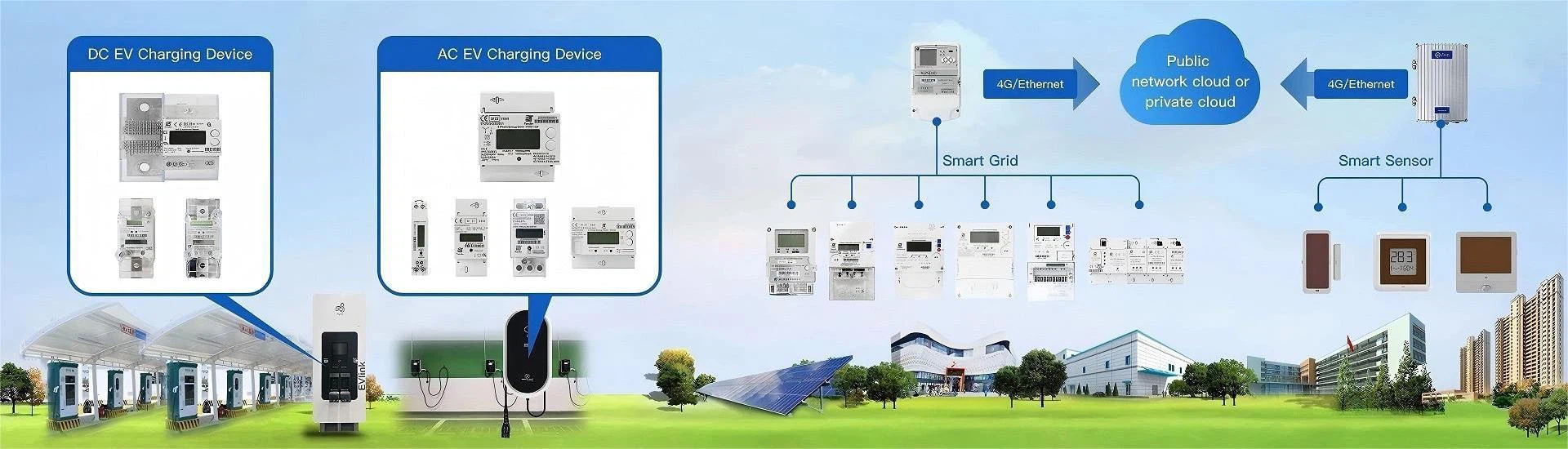
In 2009, the State Grid Corporation of China officially introduced the concept of smart meters in China, marking the beginning of the widespread adoption of fourth-generation electricity meters. Smart meters gradually replaced traditional meters, becoming the core terminal equipment for smart grid construction.
Smart meters integrate core modules such as measurement units, data processing units, and communication units, breaking through the limitations of single-function metering in traditional meters. They possess multiple functions including energy metering, information storage and processing, real-time monitoring, automatic control, and information interaction. They can not only accurately measure forward and reverse energy but also collect real-time electricity data such as voltage, current, and power. Through communication modules, they enable two-way data interaction with the power grid system, providing technical support for distributed power generation metering, time-of-use pricing, and two-way interactive services. They are an important foundation for achieving intelligent management and control of the power system and building the energy internet, driving electricity management into a precise, intelligent, and efficient era.
