

What is an EV Meter?
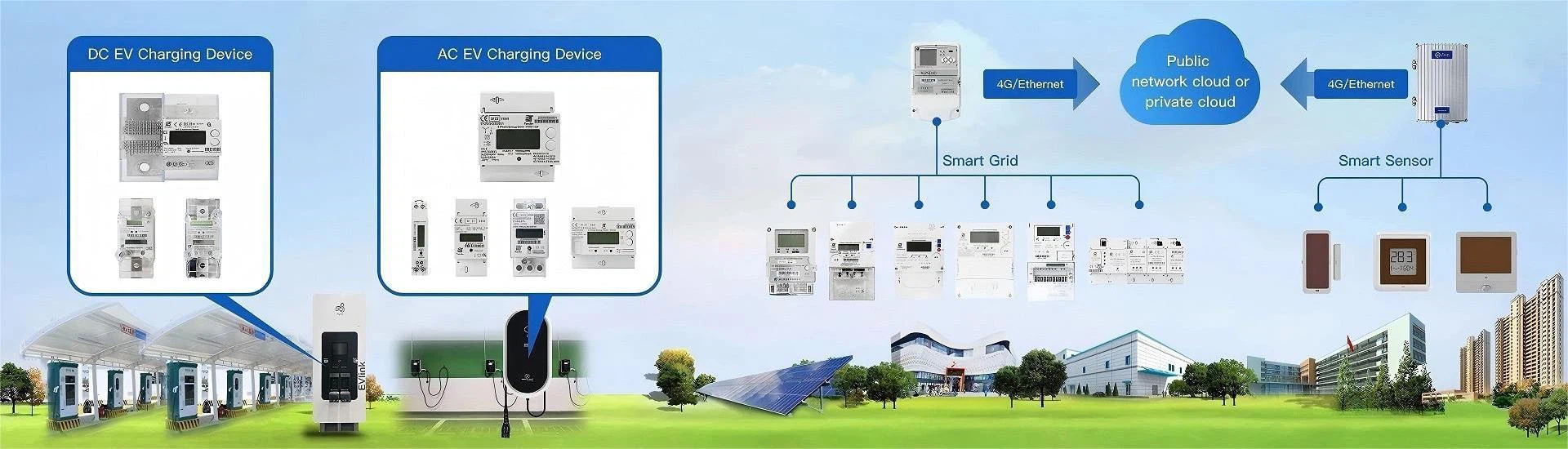
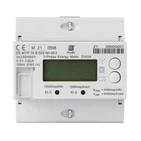
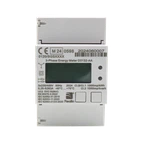
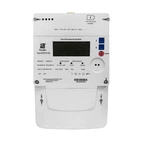
An EV meter is a specialized device designed to measure and manage the electrical energy transferred during the EV charging process. It goes beyond a simple energy - consumption counter, integrating advanced features and technologies to enhance the overall charging ecosystem. Similar to traditional electricity meters that monitor a household's power usage, EV meters are tailored specifically to the unique requirements of EV charging. They can precisely measure electrical parameters such as voltage, current, and power factor in real - time. By multiplying the measured voltage and current values, the EV meter accurately calculates the power consumption, providing detailed data about the charging session.
Types of EV Meters
Level 1 Chargers
Level 1 chargers, which operate on a standard household electrical outlet (120 V AC), often rely on the existing utility - installed electric meter in the home to measure the energy consumed during EV charging. Since Level 1 charging is relatively slow, with a lower power draw compared to other levels, the standard home meter can effectively capture the additional energy usage associated with charging an EV. This setup is convenient for many EV owners who primarily charge their vehicles at home overnight, as they can easily track the overall energy consumption through their regular electricity bill.
Level 2 Chargers
Level 2 chargers, operating at 208 - 240 V AC, are more common in public and private charging stations, including some home setups. These chargers typically have their own dedicated metering components. These meters are designed to handle the higher current and power levels associated with Level 2 charging. They are crucial for both operational monitoring and accurate billing at public charging stations. For example, in a shopping mall parking lot with multiple Level 2 chargers, the EV meters can track which vehicles are using which chargers, how long each charging session lasts, and the exact amount of energy consumed. This data is then used by the charging station operator to bill the EV users based on their actual energy usage.
DC Fast Chargers (Level 3)
DC fast chargers, the most powerful type of EV chargers with voltages ranging from 208 - 480 V AC and high charging loads, require highly sophisticated metering systems. High - accuracy revenue meters with an energy metering accuracy of 0.5% or better are used in these chargers. These meters are placed after the step - down transformer in the charging station and monitor all the charging ports. They not only measure the energy transferred from the utility but also keep a close eye on power quality. In cases where a solar array is integrated into the charging station, the meter can also track any energy being fed back to the utility. This comprehensive metering is essential for managing the high - power operation of DC fast chargers and ensuring grid stability.
Key Functions and Benefits of EV Meters
Accurate Energy Measurement for Fair Billing
One of the primary functions of an EV meter is to enable accurate energy measurement, which is fundamental for fair billing. Different EV models have varying battery capacities and charging efficiencies. Some EVs with larger batteries may require more energy to reach a full charge. EV meters ensure that charging station operators can charge EV owners based on the exact amount of energy consumed. This eliminates the need for flat - rate charging models, which may not reflect the actual energy usage differences among different EVs. For example, in a commercial charging station, the operator can set tariffs according to factors like peak and off - peak hours, and the EV meter tracks the energy usage during these different time periods for accurate invoicing. This transparency in billing benefits both the operator, who can generate fair revenues, and the EV owner, who knows exactly what they are paying for.
Real - Time Monitoring and Management
EV meters often come equipped with communication modules, such as Wi - Fi or cellular connectivity, enabling real - time monitoring. Charging station operators can remotely monitor the status of their charging stations. They can see which stations are in use, how much energy is being consumed at each station, and if there are any issues like abnormal power fluctuations or equipment malfunctions. For instance, if a charging cable develops a fault, the EV meter can detect the resulting abnormal current flow and send an alert to the operator. This allows for prompt maintenance, minimizing downtimeof the charging station. Additionally, real - time monitoring data can be used to optimize the charging infrastructure. Operators can analyze usage patterns over time and determine if more chargers are needed in a particular area or if the placement of existing chargers should be adjusted.
Grid Integration and Load Management
As the number of EVs on the road increases, the demand for electricity during charging can put a significant strain on the electrical grid. EV meters play a crucial role in grid integration and load management. They can communicate with the grid to help balance the overall electrical load. For example, during peak electricity demand hours, when many households and businesses are using power simultaneously, EV meters can be programmed to adjust the charging rate of multiple EVs connected to a station. By reducing the charging power of some EVs during peak times, the overall load on the grid is decreased, ensuring grid stability and preventing blackouts. Some advanced EV meters can even participate in vehicle - to - grid (V2G) technology, where EVs can send electricity back to the grid during periods of high demand, acting as mobile energy storage units.
Safety and Protection
Safety is a top priority in EV charging, and EV meters contribute significantly to this aspect. They are designed with built - in protection mechanisms. For example, they can detect over - voltage situations, where the voltage supplied to the EV is higher than the recommended level. In such cases, the meter can automatically cut off the power supply to prevent damage to the vehicle's battery and other electrical components. Similarly, it can identify over - current conditions, which could occur if there is a short circuit in the charging system. By detecting and reacting to these abnormal electrical conditions, EV meters help safeguard the safety of the EV, the charging station, and the users. In addition, some EV meters are equipped with ground - fault protection, further enhancing the safety of the charging process.
Smart Charging Solutions with EV Meters
Scheduled Charging
Many EV meters are integrated with smart charging platforms that allow EV owners to schedule their charging sessions. For example, an EV owner can use a mobile app associated with the charging station to set a specific time for their vehicle to start charging. This is useful for taking advantage of lower electricity rates during off - peak hours. In some regions, electricity prices are significantly lower at night. By scheduling the charging to start late at night, EV owners can save money on their charging costs. The EV meter communicates with the charging station and the vehicle to ensure that the charging starts and stops at the specified times, optimizing both energy consumption and cost.
Remote Control and Monitoring
EV owners can remotely control and monitor the charging process through their smartphones or other devices. With the help of an app connected to the EV meter, they can check the charging status of their vehicle, such as how much charge has been added, the estimated time remaining until the battery is full, and the current charging rate. They can also remotely start or stop the charging process. This is convenient, for example, if an EV owner realizes they forgot to start charging their vehicle before leaving the office and can start the charging remotely while on their way home. Similarly, if there is an unexpected change in plans and the vehicle needs to be used earlier than expected, the owner can stop the charging remotely.
Energy Management for Fleets
For commercial fleets of EVs, EV meters offer comprehensive energy management solutions. Fleet managers can use the data collected by the EV meters to analyze the energy consumption patterns of each vehicle in the fleet. This data can help in optimizing routes, as vehicles with higher energy consumption on certain routes may need to be re - routed or have their charging schedules adjusted. Additionally, the fleet manager can monitor the overall energy usage of the fleet and negotiate better electricity rates with utility companies based on the predictable energy demand. The EV meters can also be used to track the performance of each vehicle's charging system, ensuring that any potential issues are detected early and addressed to minimize downtime.
conclusion
EV meters are an integral part of the smart charging solutions for electric vehicles. They offer a wide range of functions and benefits, from accurate energy measurement and fair billing to grid integration and enhanced safety. As the EV market continues to grow exponentially, the role of EV meters will only become more critical in making EV charging efficient, reliable, and accessible for all. Whether it's a home charger, a public charging station, or a commercial fleet charging depot, EV meters are at the heart of the evolving EV charging infrastructure, enabling a seamless and sustainable transition to electric mobility.