

How to Implement Smart Metering in EV Charging
As the electric vehicle (EV) market continues to expand, the implementation of smart metering in EV charging has become crucial for optimizing energy management, enhancing user experience, and ensuring grid stability. Smart metering in EV charging goes beyond traditional energy measurement, leveraging advanced technologies to enable real - time monitoring, data - driven decision - making, and seamless integration with the electrical grid. Here's a comprehensive guide on how to implement smart metering in EV charging:
Select the Right Smart Metering Equipment
Metering Hardware
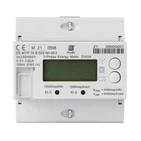
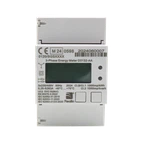
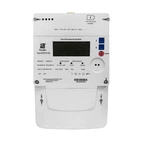
Accurate Energy Measurement: Choose EV charging smart meters that can precisely measure electrical parameters such as voltage, current, power factor, and energy consumption. High - accuracy revenue - grade meters with an accuracy of 0.5% or better are ideal for commercial and public charging stations, ensuring fair billing for EV users. For example, meters that use advanced sensor technologies like Hall - effect sensors can provide reliable and accurate measurements even under varying load conditions.
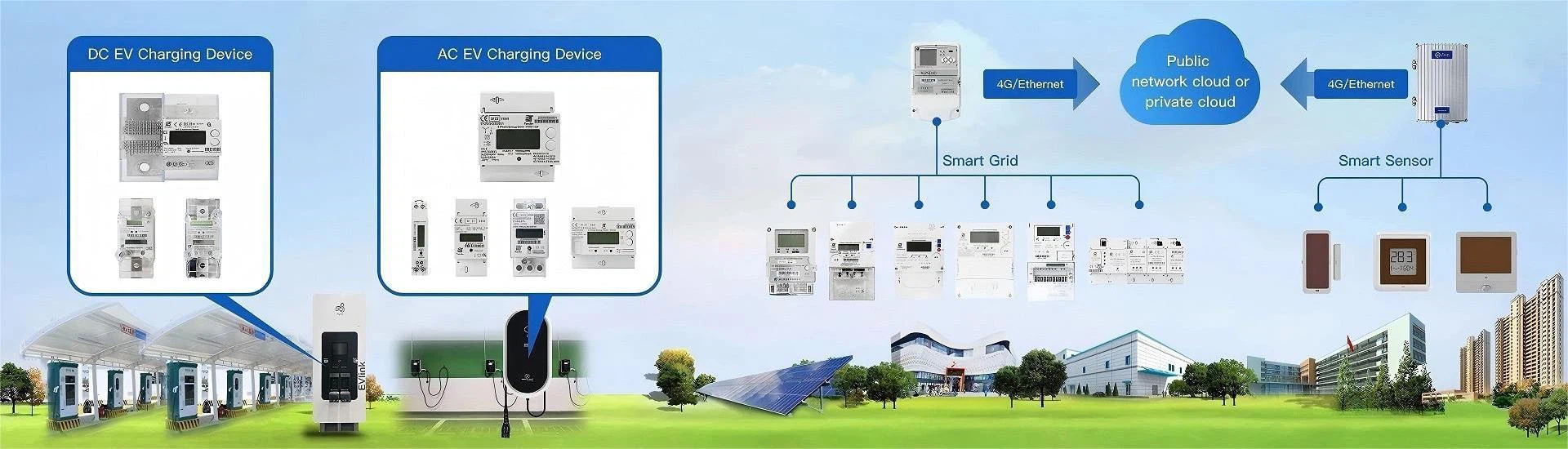
Communication Capabilities: Opt for meters equipped with multiple communication interfaces, such as Wi - Fi, Bluetooth, Zigbee, 4G/5G cellular networks, or Power - line Communication (PLC). These interfaces enable seamless data transfer between the meter, the charging station controller, and the central management system. For instance, cellular - connected meters are suitable for remote charging stations where wired connections may not be feasible, while PLC can be a cost - effective option for in - building installations.
Safety Features: Ensure that the smart meters have built - in safety mechanisms, including over - voltage protection, over - current protection, ground - fault detection, and short - circuit protection. These features safeguard both the EV, the charging station, and the electrical grid from potential hazards.
Charging Station Controllers
Integration with Meters: Select charging station controllers that can easily integrate with the chosen smart meters. The controller acts as the brain of the charging station, managing the charging process, communicating with the EV, and collecting data from the meter. It should be able to interpret the meter data accurately and use it for various functions, such as initiating and stopping charging sessions, calculating billing information, and monitoring the station's performance.
Smart Functionality: Look for controllers with smart features like load management capabilities. These allow the controller to adjust the charging power of multiple EVs connected to the station based on grid availability, peak - off - peak periods, or user - defined settings. For example, during peak electricity demand hours, the controller can reduce the charging rate of non - essential EVs to prevent overloading the grid.
Set Up a Central Management System
Data Aggregation and Storage
Cloud - Based Platform: Implement a cloud - based central management system to collect, store, and analyze data from multiple charging stations and smart meters. Cloud platforms offer scalability, allowing you to manage a growing number of charging stations without significant infrastructure upgrades. They also provide secure data storage, ensuring that sensitive information such as user charging data and billing details are protected.
Data Standardization: Establish data - standardization protocols to ensure that data from different smart meters and charging stations can be easily integrated and analyzed. Common data formats like Open Charge Point Protocol (OCPP) are widely used in the EV charging industry to enable interoperability between different devices and systems.
Analytics and Reporting
Real - Time Monitoring: Develop dashboards within the central management system that provide real - time visibility into the status of each charging station, including the charging session details, energy consumption, and meter readings. This allows operators to quickly identify and address any issues, such as malfunctioning meters or abnormal charging patterns.
Historical Data Analysis: Use data analytics tools to analyze historical charging data. This can help in identifying usage trends, predicting peak charging hours, and optimizing the charging infrastructure. For example, by analyzing data from a network of charging stations in a city, operators can determine the best locations for new stations based on demand patterns.
Billing and Invoicing: Integrate billing and invoicing functionality into the central management system. The system should be able to generate accurate invoices for EV users based on the energy consumption data recorded by the smart meters. It can also support different billing models, such as pay - per - kWh, monthly subscriptions, or time - based charging.
Ensure Grid Integration
Load Management
Communication with the Grid: Establish communication channels b
etween the smart metering system and the local electrical grid. This can be achieved through grid - operator - provided interfaces or by participating in demand - response programs. The smart metering system can then receive signals from the grid indicating periods of high or low demand and adjust the charging power of EVs accordingly.
Vehicle - to - Grid (V2G) Integration: For more advanced grid integration, consider implementing V2G technology. V2G - enabled smart meters can not only measure the energy flowing from the grid to the EV but also facilitate the reverse flow of energy from the EV back to the grid. This allows EVs to act as mobile energy storage units, helping to balance the grid during peak demand periods and providing additional revenue opportunities for EV owners.
Grid - Code Compliance
Adhere to Regulations: Ensure that the smart metering system complies with local grid - code regulations. Different regions have specific requirements regarding power quality, voltage levels, and grid - connection procedures. Non - compliance can lead to disruptions in the charging service and potential penalties. Work with electrical engineers and grid operators to ensure that the smart metering equipment and installation meet all relevant standards.
User - Interface and Experience
Mobile Applications
User - Friendly App: Develop a mobile application for EV users that allows them to interact with the smart metering system. The app should provide features such as real - time charging status monitoring, energy consumption tracking, payment processing, and the ability to schedule charging sessions. For example, users can set their preferred charging times to take advantage of lower electricity rates during off - peak hours.
Personalized Services: Use the data collected by the smart meters to offer personalized services to EV users. This could include recommendations for the most cost - effective charging stations based on their location, driving habits, and energy consumption patterns.
Station - Level Displays
Informative Screens: Install user - friendly displays at the charging stations that show relevant information from the smart meters, such as the current charging rate, remaining charging time, and energy consumed. These displays help users understand the charging process and make informed decisions.
Training and Maintenance
Staff Training
Technical Training: Provide comprehensive training to the staff responsible for operating and maintaining the smart metering system. This includes training on how to install and configure the smart meters and charging station controllers, how to interpret meter data, and how to troubleshoot common issues.
Customer - Service Training: Train customer - service representatives to handle user inquiries related to smart metering, such as billing questions and charging - session - related issues
Regular Maintenance
Scheduled Inspections: Establish a regular maintenance schedule for the smart metering equipment. This includes checking the meters for accuracy, ensuring proper communication between devices, and inspecting the charging station controllers for any signs of malfunction.
Software Updates: Keep the smart metering system's software, including the meter firmware, charging station controller software, and central management system, up - to - date. Software updates often include bug fixes, security patches, and new features that can enhance the performance and functionality of the system.
By following these steps, stakeholders in the EV charging industry can successfully implement smart metering, unlocking a wide range of benefits for EV users, charging station operators, and the electrical grid as a whole. Smart metering is not only a key enabler for the sustainable growth of the EV market but also an essential component in building a more intelligent and efficient energy ecosystem.