

What is an EV Meter?
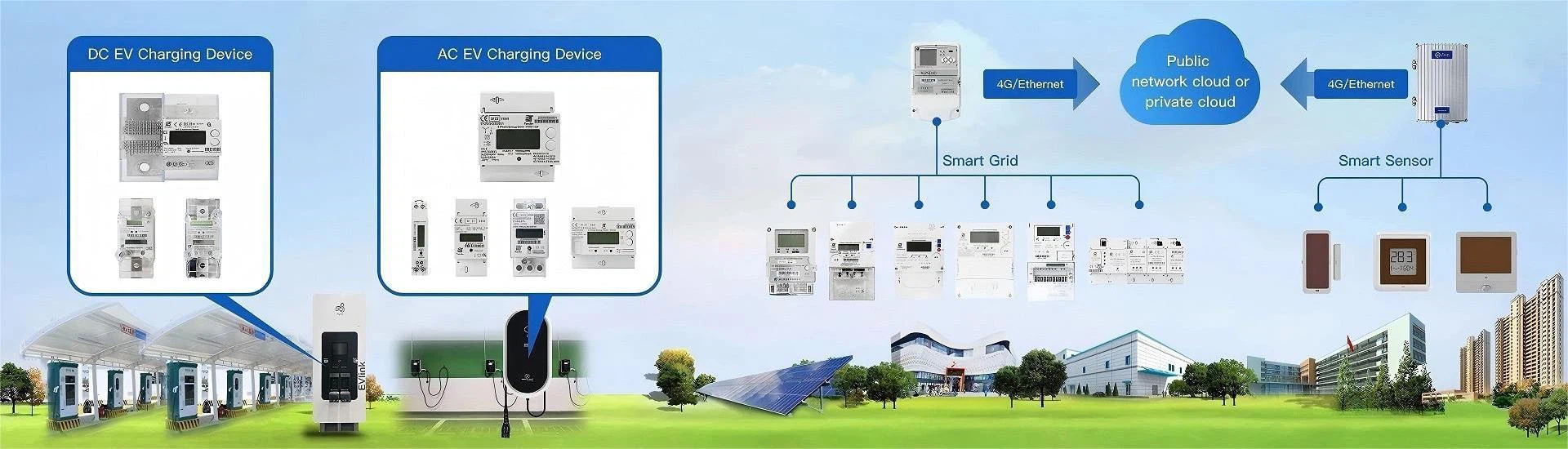
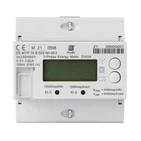
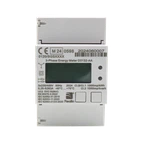
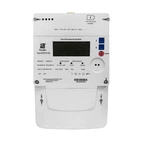
In the expanding world of electric vehicles (EVs), an EV meter plays a crucial role in the charging infrastructure. It's a specialized device designed to measure and manage the electrical energy involved in the EV charging process, offering a suite of functions that benefit both EV users and charging station operators.
Measurement Capabilities
At its core, an EV meter accurately gauges the amount of electrical energy transferred to an EV during charging. Similar to how a traditional electricity meter in your home tallies the overall power consumption, an EV meter focuses specifically on the power flow to the vehicle. It measures key electrical parameters such as voltage, current, and power factor in real - time. By multiplying the measured voltage and current values, it precisely calculates the power consumption. For example, in a common Level 2 charging scenario with a voltage of 240 volts and a current of 32 amperes, the EV meter can precisely determine the charging power as 7.68 kilowatts (240V x 32A). This data is fundamental for several reasons.
Billing and Cost Management
For charging station operators, EV meters are essential for accurate billing. Instead of relying on rough estimates or flat - rate charging models, they can charge EV owners based on the exact amount of energy consumed. This is particularly important as different EV models have varying battery capacities and charging efficiencies. Some EVs with larger batteries may require more energy to reach a full charge, and an EV meter ensures that these differences are reflected in the billing. In a commercial charging station, the operator can set tariffs according to factors like peak and off - peak hours, and the EV meter tracks the energy usage during these different time periods for accurate invoicing.
For EV owners, the meter provides transparency. It allows them to know precisely how much energy they are using to charge their vehicles, which is crucial for budgeting. Since electricity costs can vary depending on the time of day (time - of - use tariffs) and the location of charging (public vs. home charging), having an accurate measure of energy consumption helps in better financial planning.
Monitoring and Management
EV meters often come with advanced monitoring features. Many are equipped with communication modules, such as Wi - Fi or cellular connectivity, enabling real - time data transmission. This means that charging station operators can remotely monitor the status of their charging stations. They can see which stations are in use, how much energy is being consumed at each station, and if there are any issues like abnormal power fluctuations or equipment malfunctions.
Some EV meters are integrated with smart grid systems. They can communicate with the grid to help manage the overall electrical load. As the number of EVs on the road increases, charging them all at once could potentially overload the grid. EV meters can be programmed to adjust the charging rate based on the grid's capacity. For instance, during peak electricity demand hours, the meter can reduce the charging power of multiple EVs connected to a station, ensuring grid stability and preventing blackouts.
Safety and Protection
Safety is a top priority in EV charging, and EV meters contribute to this aspect. They are designed with built - in protection mechanisms. For example, they can detect over - voltage situations, where the voltage supplied to the EV is higher than the recommended level. In such cases, the meter can automatically cut off the power supply to prevent damage to the vehicle's battery and other electrical components. Similarly, it can identify over - current conditions, which could occur if there is a short circuit in the charging system. By detecting and reacting to these abnormal electrical conditions, EV meters help safeguard the safety of the EV, the charging station, and the users.
Types of EV Meters
There are different types of EV meters available, depending on the charging level and application.
Level 1 Chargers: These chargers, which use a standard household electrical outlet (120 V AC), may rely on the existing utility - installed electric meter in the home to measure the overall energy consumption related to EV charging. Since Level 1 charging is relatively slow and has a lower power draw compared to other levels, the standard home meter can effectively capture the additional energy usage.
Level 2 Chargers: Operating at 208 - 240 V AC, Level 2 chargers are more common in public and private charging stations, including some home setups. These chargers typically have their own dedicated metering components. These meters are designed to accurately measure the higher current and power levels associated with Level 2 charging. They are crucial for both operational monitoring and billing at public charging stations.
DC Fast Chargers (Level 3): DC fast chargers are the most powerful, with voltages ranging from 208 - 480 V AC and high charging loads. Their metering requirements are more sophisticated. High - accuracy revenue meters with an energy metering accuracy of 0.5% or better are used. These meters are placed after the step - down transformer in the charging station and monitor all the charging ports. They not only measure the energy transferred from the utility but also keep an eye on power quality. In cases where a solar array is integrated into the charging station, the meter can also track any energy being fed back to the utility.
In summary, an EV meter is an integral part of the EV charging ecosystem. It enables accurate energy measurement for fair billing, provides valuable data for monitoring and grid management, and ensures the safety of the charging process. As the EV market continues to grow, the role of EV meters will only become more important in making EV charging efficient, reliable, and accessible.