

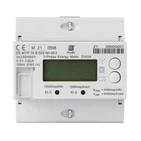
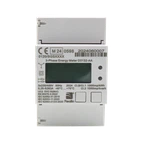
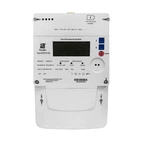
There are different types of electric meters used in the energy grid, which are designed to measure the electric energy consumption of households or businesses. One of the most common types of meter used in the grid is the electronic meter, also known as a solid-state meter.
Electronic meters are digital devices that use semiconductor technology to accurately measure and record the amount of electricity used. They replace older electromechanical meters, which have less accuracy and sensitivity and are typically more prone to wear and tear in comparison to solid-state meters.
The advantages of electronic meters are numerous. They are more precise in measuring electric energy consumption, which is essential for accurate billing. Electronic meters are also highly reliable and require little maintenance over a long period, making them among the most cost-effective choices for energy utilities. They are also more resistant to tampering and external influences such as dust or moisture, which can interfere with the accuracy of the readings.
In addition, electronic meters are designed to store detailed consumption data, which makes it possible to perform more sophisticated energy monitoring and analysis. This data can be used to create detailed usage profiles for each customer, which can be used to identify potential energy efficiency improvements. By analyzing consumption patterns, energy utilities can also plan supply and demand more effectively, reducing the risk of power shortages and blackouts.
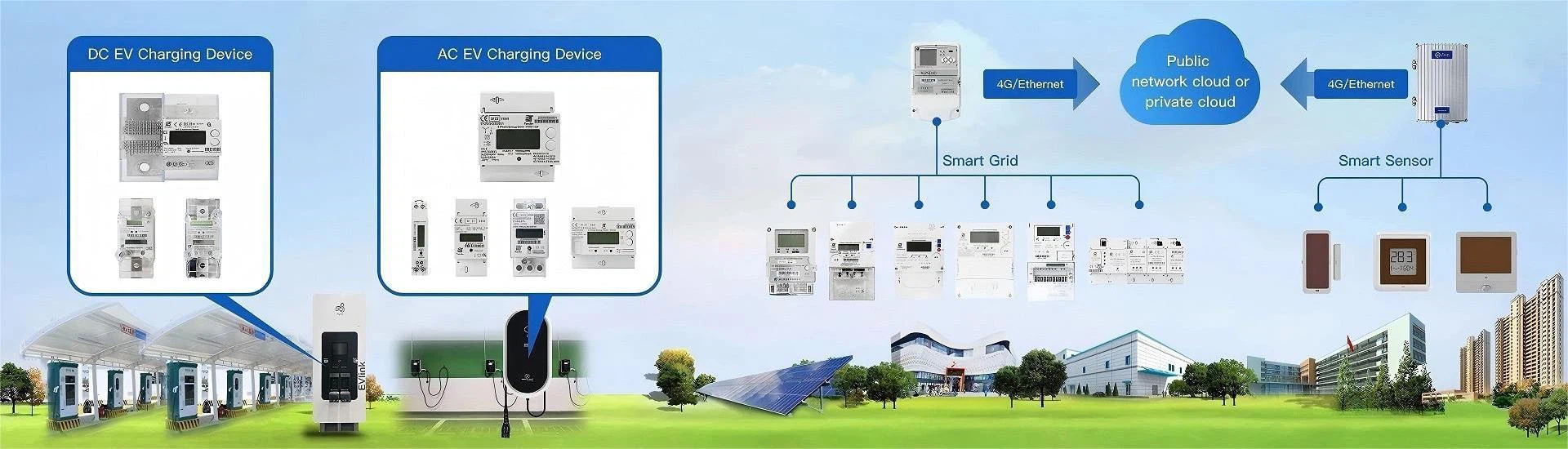
Another class of meter used in the grid are smart meters. They are an advanced type of electronic meter that is equipped with additional functionality to support smart grid applications. Smart meters can be used to monitor energy consumption in real-time, sending data to the utility company at regular intervals. They also can provide customers with a detailed breakdown of their energy consumption, which can help them to manage their costs more effectively.
Smart meters are also equipped with two-way communication capability, which allows utilities to remotely manage the supply of electricity. This feature can be used to reduce energy consumption during peak hours or to notify customers of energy outages. Smart meters can also be used to support demand response programs, which offer incentives for customers who voluntarily reduce their energy consumption during times of high demand.
Electronic and smart meters are essential components of the energy grid, providing accurate and reliable data on energy consumption patterns. These devices enable energy utilities to optimize their energy supply and demand management strategies and offer a range of benefits to customers, including more accurate billing, better energy management, and the opportunity to participate in demand response programs. With increasing use and adoption of these meters, the energy industry is poised to become more efficient, reliable, and sustainable in the years to come.