

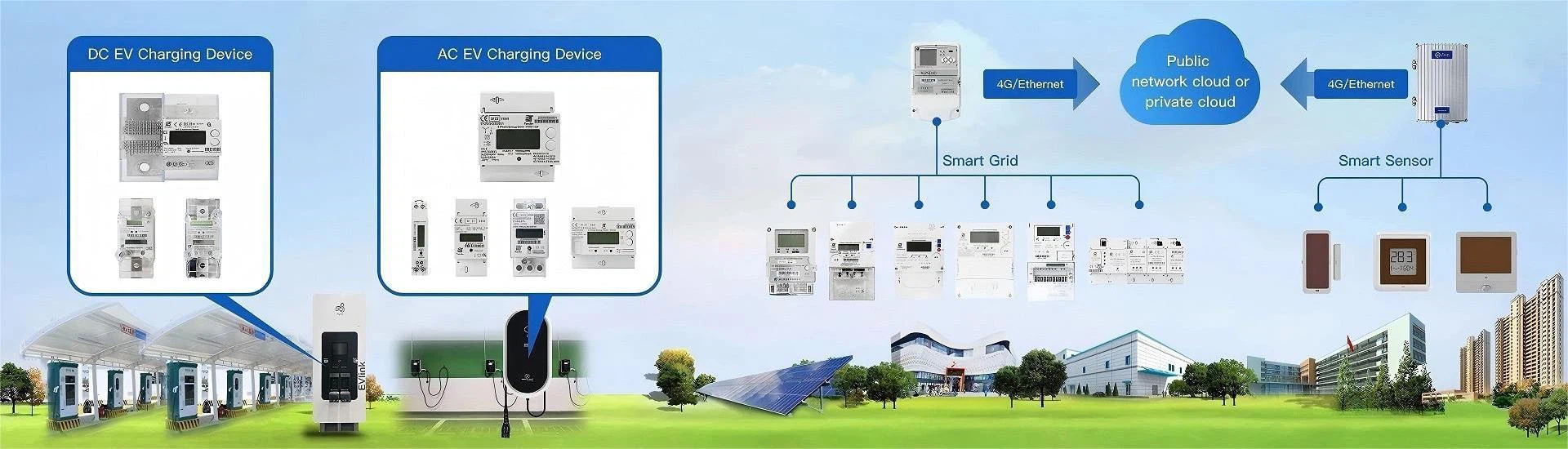
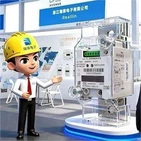
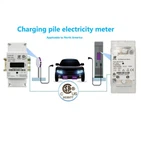

A DIN rail meter, also known as a DIN rail-mounted meter, is a device used for measuring various electrical parameters within a system or circuit. The term "DIN rail" refers to a standardized metal rail used for mounting various components in industrial and control applications. DIN stands for "Deutsches Institut für Normung," the German Institute for Standardization, which established the DIN rail specifications. These meters are designed to be mounted on DIN rails, providing ease of installation, organization, and maintenance in electrical cabinets or control panels.
DIN rail meters come in various types and functionalities, serving different purposes based on the specific requirements of the electrical system. These meters typically measure parameters such as:
Electricity Consumption: They track the amount of electricity consumed by a system or a specific circuit, providing accurate data for billing or monitoring purposes.
Voltage and Current: DIN rail meters measure the voltage levels and current flow within an electrical system. This information is crucial for assessing the performance and health of the system.
Power Factor: Some advanced DIN rail meters measure the power factor, indicating the efficiency of power usage within a system.
Energy Monitoring: They provide insights into energy usage patterns, allowing for optimization and energy-saving strategies.
Single-Phase Meters: These meters are designed to measure parameters in single-phase electrical systems commonly found in residential and small commercial settings.
Three-Phase Meters: Catering to more complex electrical systems, three-phase meters measure parameters in industrial and larger commercial setups where three-phase power is used.
Smart Meters: Advanced DIN rail meters are equipped with smart functionalities. They can communicate data remotely, enable two-way communication, and provide real-time insights into energy consumption, enhancing efficiency and enabling better management of energy resources.
Accuracy: DIN rail meters offer high accuracy in measuring electrical parameters, ensuring precise monitoring and control.
Compact Design: Their compact size and standardized DIN rail mounting make them convenient to install and integrate into electrical panels or cabinets.
Modularity: Some meters allow for modular expansion, enabling additional functionalities or upgrades without major overhauls of the existing system.
Remote Monitoring: Smart DIN rail meters often come with communication capabilities, allowing remote monitoring and control, which is particularly useful for large-scale or geographically distributed systems.
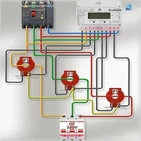
Installing a DIN rail meter involves mounting it securely onto the DIN rail within an electrical cabinet or panel. These meters are typically designed for ease of use, featuring clear displays for easy reading of measurements and intuitive interfaces for configuration and setup.
DIN rail meters find applications across various industries, including:
Industrial Automation: Monitoring electrical parameters in manufacturing processes.
Renewable Energy Systems: Measuring electricity generation and consumption in solar or wind power installations.
Building Management Systems: Monitoring energy usage in commercial and residential buildings for better energy efficiency.