

The Origin and Institutional Logic of the Exposed Electric Energy Meter Requirement
The requirement for exposed electric energy meters on electric vehicle (EV) charging piles in Europe is no accidental provision but is rooted in Europe's profound legal traditions and market supervision culture. The origin of this requirement can be traced back to the EU's rigorous regulatory system for measuring instruments, and it has been profoundly shaped by Germany's strict industrial standards and the concept of a social market economy.
In Germany, the practice of "acting as both referee and player" is strictly prohibited, a principle that also applies to the operation of EV charging piles. If a charging pile operator also gains control over the electric energy metering system, it will be regarded as a conflict of interest. Therefore, electric energy meters must be physically exposed to enable consumers to directly read the metering data, thereby embodying the regulatory philosophy that "sunlight is the best disinfectant".

The EU Measuring Instruments Directive (MID) 2014/32/EU serves as the legal cornerstone for this requirement. This directive not only sets standards for the accuracy and reliability of electric energy meters but also implies requirements for the transparency of the metering process. Although there is no explicit clause stating that "electric energy meters must be exposed", its requirements for metering transparency and tamper resistance have naturally evolved into an industry practice of either exposing electric energy meters or providing independent metering displays in practical implementation.
As one of the EU countries with the strictest enforcement of relevant regulations, Germany has taken this requirement to the extreme. The Physikalisch-Technische Bundesanstalt (PTB) explicitly recommends that electric energy meters should be directly visible and accessible to consumers during the certification process.
The core objectives of the exposed electric energy meter requirement mainly include three aspects:
-
Safeguarding consumers' rights and interests
It allows users to directly compare the power consumption displayed on the charging pile's electric energy meter with that shown on their vehicles, preventing operators from tampering with metering data through software. According to a survey conducted by European consumer organizations, discrepancies in electric energy meter readings of charging piles are among the top complaints from EV users. However, the exposed electric energy meter design can significantly reduce the complaint rate.
-
Complying with the principle of regulatory transparency
EU energy regulatory authorities hold that Europe's traditional "transparent governance" emphasizes visualization and transparency, which is in line with the continent's conventional philosophy of facility governance. Extending the exposed requirement from traditional electric energy meters to those on charging piles, an emerging energy facility, is regarded as a natural extension of this regulatory logic.
-
Promoting fair market competition
All operators adopt the same standard for metering display, eliminating the possibility of modifying billing systems through concealed means. Statistics from the European Charging Pile Operators Association show that charging stations adopting the unified exposed electric energy meter standard enjoy a 45% higher user trust rate than those with traditional designs.
From a technical perspective, the exposure of electric energy meters also reflects Europe's emphasis on the independence of metering equipment. In the Chinese market, the price of an integrated DC electric energy meter ranges only from 100 to 400 RMB, while similar products certified by MID cost as much as 2,000 to 3,000 RMB, a price difference of 20 times. This gap stems not only from certification costs but also from Europe's stricter material and structural requirements for metering modules. These requirements cover anti-tampering designs, data storage security, long-term stability of electric energy meters and other indicators. The exposed design is actually a natural extension of such high standards-only specially designed metering modules can stand up to direct consumer supervision.
National Differences and Implementation Status of the Exposed Electric Energy Meter Requirement
There are significant differences in how European countries enforce the requirement for exposed electric energy meters on charging piles, which reflect the diversity of their regulatory traditions and market environments.
As Europe's largest EV market, Germany enforces the exposed electric energy meter rule most stringently, with requirements even exceeding the general EU regulations. The independent metering display unit of its charging piles not only shows the electric energy meter readings but also allows users to charge their vehicles at any time. Even if the main display malfunctions, a "permanently online" backup display is usually available for users to check charging and metering data. This dual-display design demonstrates Germans' pursuit of extreme transparency in electric energy metering and complies with the technical provisions on the visibility of metering modules in Germany's charging pile standards DIN 70121 and DIN 70122.

Northern European countries such as Sweden, Norway, and Denmark also adhere to the principle of exposed electric energy meters but adopt a more flexible enforcement approach. These countries allow real-time access to electric energy meter data via QR codes or dedicated mobile apps as an alternative to physical exposure. Nevertheless, such digital access methods must meet strict security requirements to ensure that the data comes directly from the metering module rather than being processed through the charging pile's control system.
Southern European countries like Italy and Spain have relatively loose requirements for the exposure of electric energy meters. Their primary focus is whether the electric energy meters meet MID certification standards, rather than the specific display form.
Chinese enterprises such as Star Charge have launched charging pile products in the European market featuring a dual-display solution of "small window + on-demand display". This design not only meets European users' need for visual verification of electric energy meter data but also ensures the equipment's protective performance, becoming a typical example of integrated design concepts between China and Europe.

Enforcement of the rule also varies by charging pile power. Data shows that about 85% of AC charging piles with a power of 2kW or less adopt a fully exposed electric energy meter design. In contrast, this proportion drops to 60% for DC charging piles with a power exceeding 5kW, most of which use separate metering display designs. This is mainly because the complex structure and heat dissipation needs of high-power charging piles make full exposure of electric energy meters impractical. Ultra-fast charging piles (with power above 350kW) generally adopt a design combining high-protection-level electric energy meters and independent verification units.
The current implementation of the exposed electric energy meter requirement in Europe reflects the ongoing balance between technological innovation and regulatory demands. With the development of modular design and wireless verification technology, more diverse compliance solutions are expected to emerge in the future. However, the core concept of metering transparency will continue to guide the design philosophy of the European charging pile market.
Compliance Strategies for Electric Energy Meters of Exported European Charging Piles
For Chinese charging pile manufacturers, meeting Europe's requirement for exposed electric energy meters is a complex and systematic project that involves product design, certification procedures, cost control and other multiple factors.
In theory, charging piles exported to Europe do not have to have exposed electric energy meters, but they must meet stringent prerequisites to fully comply with all relevant requirements of the EU Measuring Instruments Directive (MID). This requires enterprises to deeply understand the essence of European standards and invest necessary R&D resources in targeted product design.
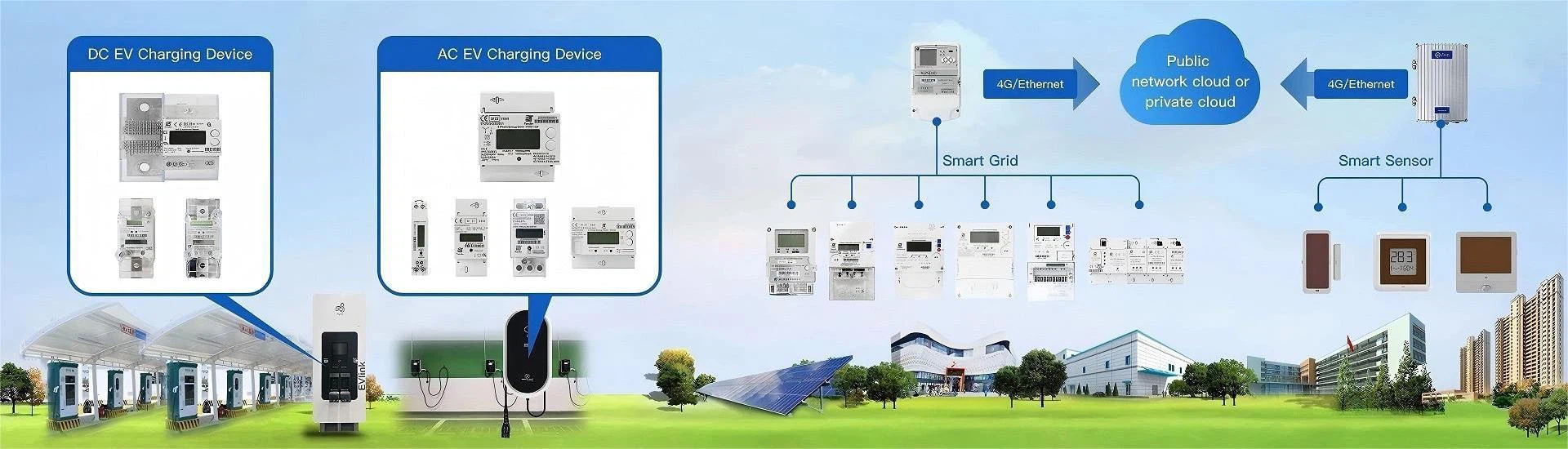
- Design independent metering verification systems: Charging piles must be equipped with MID-certified electric energy meters. Even if the electric energy meter is installed inside the charging pile, enterprises must ensure that its data can be directly read by users through external display units or wireless transmission.
- Obtain comprehensive international certifications: In addition to the basic CE certification, the electric energy meter component must pass MID certification, which includes two key steps: Type Examination and Factory Quality Assurance System (FC) certification. Manufacturers need to submit technical documents including design drawings and performance data of electric energy meters. Authorized EU laboratories such as SGS and TÜV will conduct tests on the accuracy, stability and other indicators of the electric energy meters. Meanwhile, manufacturers must establish an ISO 9001 quality management system covering raw material procurement, production processes, testing procedures and other links. Industry data shows that completing MID certification usually takes 8 months and costs more than 200,000 euros, which poses a high threshold for small and medium-sized enterprises.
- Manage technical documents and design changes: All design modifications, such as circuit board upgrades and software algorithm adjustments related to electric energy meters, must be filed with certification authorities and re-tested. Technical documents of electric energy meters must be retained for at least 10 years for random inspections by EU market regulatory agencies at any time. This requirement compels enterprises to establish a sound product lifecycle management system, increasing operational complexity. For instance, a European charging pile enterprise was ordered by the EU to recall products in 2024 for failing to report a firmware update of its electric energy meters, resulting in losses exceeding 2 million euros.


- Standardize markings and compliance statements: Certified electric energy meters must be labeled with the CE mark and MID-specific logos, accompanied by an EU Declaration of Conformity (DoC). Some high-risk electric energy meter products also require third-party institutions to issue conformity assessment statements. The format, location and content of these markings are strictly regulated; any deviation may lead to market access barriers. In the first quarter of 2024, German customs seized three batches of Chinese-made charging pile components due to non-compliant markings on their electric energy meters.
- Maintain continuous compliance and respond to market supervision: Enterprises must prepare for random inspections by EU authorities. If electric energy meters are found to have accuracy deviations or safety defects, the enterprises may face product recalls and substantial fines.
- Adopt modular design: Design electric energy meters as independent and replaceable modules, which are physically isolated from the charging pile's control system. This ensures that metering data of electric energy meters cannot be altered by any software. Although this design increases material costs by approximately 10%-15%, it greatly simplifies the certification process for electric energy meters and the entire charging pile.
- Develop user-friendly data access solutions: When physical exposure of electric energy meters is not feasible, provide instant data access interfaces based on NFC or QR codes, enabling users to directly read raw metering data from electric energy meters via smartphones. This solution must ensure that the data bypasses the charging pile's main control unit and is protected by complete digital signatures to prevent tampering with electric energy meter data.
Experience of Chinese charging pile enterprises in the European market has proven that price advantage alone is no longer the key to competition. Instead, compliance capabilities and brand credibility have become decisive factors for success in the market. Statistics from Charge Nordic indicate that the market share of Chinese-branded charging piles in Europe reached 35% in 2024, nearly 7 times higher than the less than 5% in 2020. Among these products, the proportion of those meeting the highest European standards for electric energy meters and other components rose from 25% to 40%. This data confirms that despite the increased costs and complexity brought by the exposed electric energy meter requirement, Chinese enterprises can achieve remarkable success in the high-end European market through systematic compliance strategies.
Technical Implementation and Design Challenges of Exposed Electric Energy Meters
While the exposed electric energy meter design may seem simple, it involves complex technical considerations and engineering challenges. Amid Europe's strict metering standards and harsh environmental requirements, Chinese charging pile manufacturers need to address multiple issues such as regulatory compliance, product aesthetics, and metering data security. To achieve long-term success in the European market, these enterprises must have a deep understanding of these technical details and develop solutions that meet compliance requirements while maintaining cost competitiveness.
The technical implementation of exposed electric energy meters is a systematic project in charging pile design, which requires balancing compliance, reliability, usability, cost and other factors.

Chinese charging pile enterprises are also leveraging the exposed electric energy meter requirement as a strategy to enhance the competitiveness of their localized products. With the application of new technologies such as the Internet of Things and blockchain, innovations in the design of exposed electric energy meters are expected to keep emerging, and this trend will profoundly influence the overall design philosophy of charging piles.
The next five years will be a critical period for the formation of the European charging pile market structure. Compliance requirements such as the exposed electric energy meter rule will continue to evolve, and the core concept of metering transparency may face challenges and innovations. By proactively adapting to these changes, Chinese enterprises are likely to gain a long-term and stable position in the high-end European market.