


If you've heard that "products need certifications to enter the North American market", you've most likely come across the term "CSA Certification". What exactly is it? How does it differ from the well - known UL Certification? And how should you interpret the CSA mark when you see it on imported products? This article will explain the core knowledge of CSA Certification in plain language.
First Things First: What Exactly Is CSA Certification?
First of all, it should be made clear that "CSA" is not a random combination of letters. Its full name is the Canadian Standards Association, a highly influential non - profit organization in North America. It has been engaged in standard - setting and product certification since 1919, with a history of nearly 110 years to date.

Simply put, CSA Certification is a "conformity certificate" issued by the Canadian Standards Association after testing and auditing products to confirm that they meet relevant standards for safety, energy efficiency and environmental protection. It is like issuing a "safety ID card" to a product, telling consumers and the market that "this product has passed strict inspections and is safe to use".

You may wonder, "Is it mandatory? Can we skip it?" For products intended for the North American market, especially Canada, CSA Certification is not legally mandatory for all categories, but it is practically a market imperative. For instance, supermarkets, e - commerce platforms like Amazon Canada, and local distributors in Canada basically require products to bear the CSA mark; otherwise, the products can hardly be sold. After all, when consumers buy household appliances, building materials and other items, seeing the CSA mark reassures them that the products have passed safety tests and are less likely to cause hazards such as electric leakage or fire.

Which Products Require CSA Certification? Check Your Home
CSA Certification covers a wide range of products, from industrial equipment to daily household appliances, many of which fall under its scope of regulation. Here are some common examples in our daily lives:
- Household appliances: Rice cookers, electric ovens, coffee makers, humidifiers, and even electric heaters used in winter may need CSA Certification to enter the North American market.
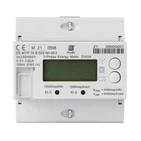
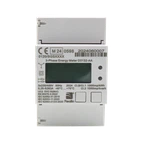
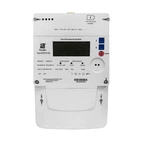
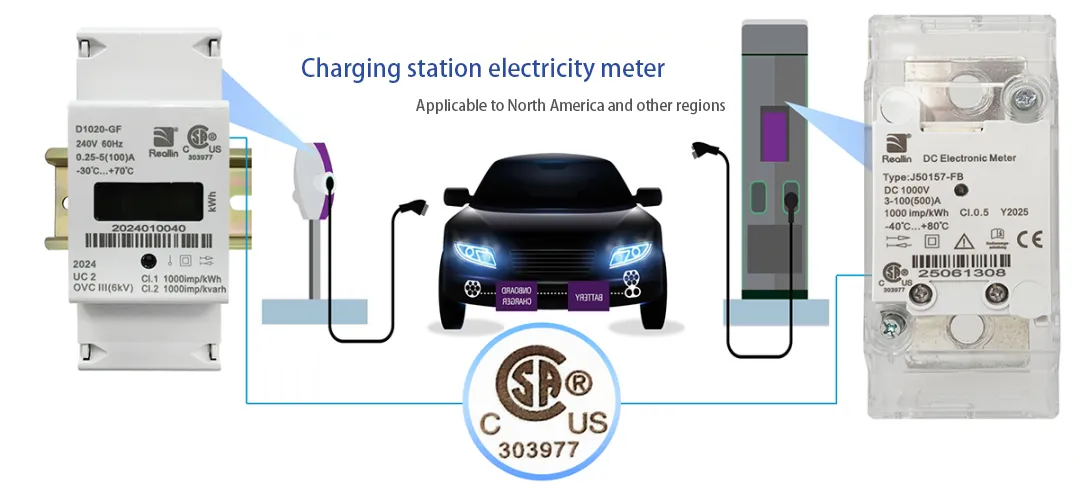
- Electronic devices: Safety testing is a priority for circuit - equipped products such as laptop chargers, power strips, routers and electric energy meters.
- Building materials and electrical components: Wires, switches, sockets and lamps used for home decoration are high - frequency categories requiring CSA Certification.
- Industrial equipment: Motors, generators and even small - sized construction machinery in factories also need to pass CSA's safety and performance tests.

In short, any product that may involve safety and energy efficiency, especially those to be sold in Canada or other parts of North America, is likely to require CSA Certification.
What Are the Procedures for Obtaining CSA Certification?
Don't be intimidated by the certification process. Its core steps are basically "submitting documents → product testing → factory audit → obtaining certification". Let's break them down in simple terms:
Step 1: Submit Application and DocumentsSuppose you are a manufacturer of electric heaters seeking CSA Certification. You first need to submit an application to the CSA organization, along with the product's "identity documents". These include product manuals (which must be in English or French, the main languages used in North America), circuit schematics, and a bill of materials, such as the brands of wires and switches used.
Step 2: Product Testing - The Core LinkThe CSA will send your electric heater to a specialized laboratory for a series of rigorous tests, including:
- Safety tests: Simulating wire aging and short circuits to check for electric leakage; running the heater at maximum temperature to see if its outer casing will become overheated enough to burn users.
- Energy efficiency tests: Measuring the power consumption of the electric heater to verify compliance with North America's energy - saving requirements.
- Environmental tests: Inspecting plastic and metal components for harmful substances like lead and mercury.Only when all tests are passed can the process move to the next stage.
Step 3: Factory Audit (Not Required for All Products)For high - risk products like electric heaters, the CSA may send inspectors to your factory to check if the production process is standardized, if there is a dedicated quality inspection process, and if consistent quality can be guaranteed across all batches of products as the tested samples. For simple small components such as ordinary power strips, on - site audits may be waived to save time.
Step 4: Obtain Certificate and Affix the MarkOnce both the tests and the audit are passed, the CSA will issue an official certification certificate and authorize you to affix the CSA mark - the blue circular logo with "CSA" in the center - to your products.

Only products with this mark can be legally sold in the North American market.
A Common Confusion: How Does CSA Certification Differ from UL Certification?
Many people mix up CSA Certification and UL Certification. After all, both are common safety certifications in North America, and some products even bear both marks. In fact, there are three key differences to keep in mind to avoid confusion:
| Comparison Items | CSA Certification | UL Certification |
|---|---|---|
| Region of Origin | Canada (rooted in Canada) | The United States (rooted in the United States) |
| Market Focus | More essential for the Canadian market, highly recognized by local consumers and distribution channels | More dominant in the U.S. market, frequently required by American retailers |
| Certification Scope | Covers safety, with an emphasis on energy efficiency and environmental protection, such as new energy products | Initially focused on safety testing; now also covers energy efficiency, but safety remains its primary focus |
To put it simply, prioritize CSA Certification if your main target is the Canadian market, and UL Certification if you focus on the U.S. market. Currently, the two organizations have mutual recognition agreements. For example, if a product has passed CSA's safety tests, it can obtain both certifications by completing a few additional UL - specific tests, eliminating the need for duplicate testing and saving time and costs.

Did you know? If a certification mark includes both "C" and "US", it indicates that the product meets the safety standards of both the United States and Canada and can be sold in both markets.
Can You Trust Products with the CSA Mark?
The answer is basically yes, but you need to pay attention to the details of the mark.
Genuine CSA marks feature a clear certification number (a combination of letters and numbers). You can even enter this number on the CSA official website to look up the product's certification details, such as the certification date and applicable standards. If the mark is blurred, lacks a certification number, or is attached to an obviously unbranded product of questionable origin, it may be counterfeit, so you should exercise caution.
It is also important to note that CSA Certification is not a one - time achievement. Certificates are generally valid for 3 to 5 years. During this period, the CSA conducts random inspections from time to time, such as requiring manufacturers to submit new samples for re - testing or conducting unannounced factory visits. If a decline in product quality is found, the certification may be suspended or even revoked. Therefore, products that consistently maintain the CSA mark usually have stable quality control.
Conclusion: What Is the Significance of CSA Certification?
For manufacturers, it is the key to accessing the North American market - no matter how high - quality a product is, it cannot enter the market without this "pass". For consumers, it serves as a safety filter - seeing the CSA mark means the product has undergone professional testing, reducing the risk of purchasing unqualified and dangerous products.
Next time you encounter an imported product with the CSA mark, such as a Canadian - made electric iron or a lamp sold in the United States, you will know that this mark represents a strict set of safety and quality control processes, making your purchase and use more reassuring.