

The application of smart meters in power marketing faces many challenges, such as inaccurate data collection, non-personalized services, and inefficient power resource allocation. Through high-frequency data collection, real-time transmission technology, and in-depth data analysis, smart meter data can be used to improve the service quality of power companies and achieve personalized marketing. The in-depth application of multi-functional smart meter technology, including remote control and multi-rate metering, has significantly improved the flexibility and efficiency of power grid management. These technical solutions can effectively optimize power resource allocation, improve user satisfaction and system stability.
1 The current status and challenges of smart meter data in power marketing
1.1 Current status of technology development in power marketing
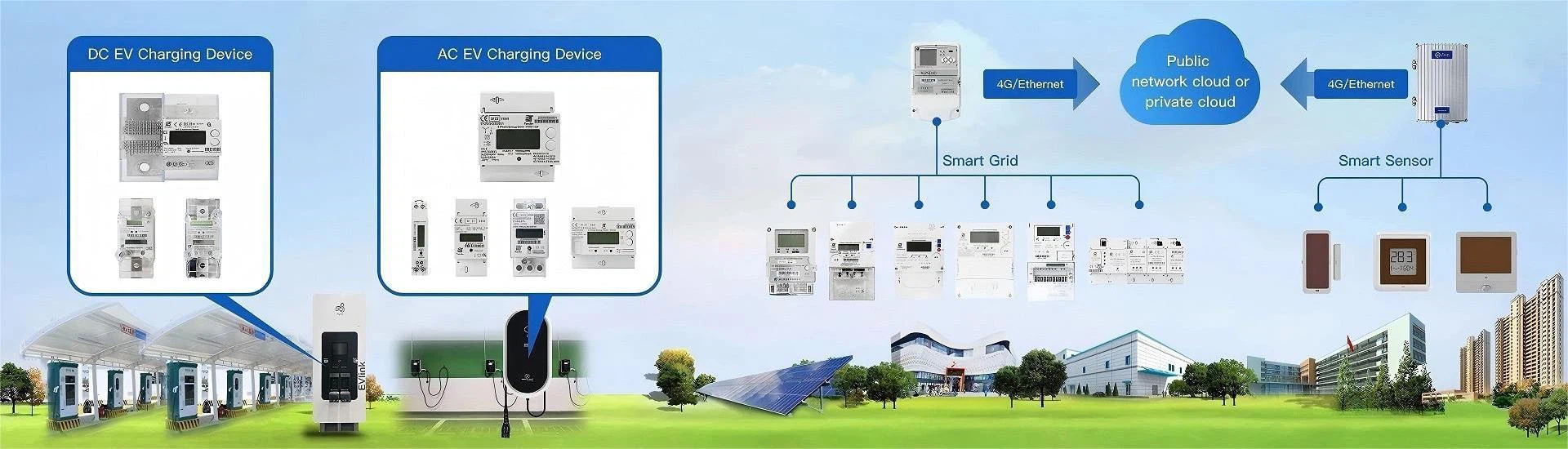
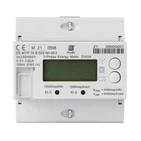
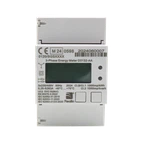
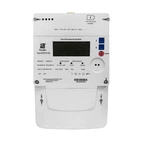
As an important terminal device of smart grid, smart meter plays a core role in data collection, transmission and analysis. Modern power marketing technology.Relying on the real-time data collection function of smart meter, it realizes comprehensive monitoring of user electricity consumption behavior through Internet of Things technology, and combines cloud computing and big data analysis technology to explore the personalized needs of users. At present, power marketing technology covers multiple aspects such as user classification management, power consumption pattern analysis, load forecasting and energy-saving suggestions, which promotes power companies to move towards refined management and service. At the same time, smart meters support multi-rate metering, prepayment, two-way communication and other functions, providing users with a more transparent and flexible billing method. These technical means not only improve the operational efficiency of power companies, but also significantly improve user experience. The depth and breadth of technology application still need to be further expanded to fully explore the potential of smart meter data.
1.2 Challenges faced by traditional power marketing
The traditional model relies too much on manual meter reading and manual services, resulting in untimely and inaccurate collection of power consumption data, which is difficult to meet the requirements of modern power systems for real-time and accuracy. User demand analysis is mainly based on extensive classification methods, lacking personalization and differentiation, making it difficult for marketing services to effectively meet the core needs of users. In addition, the traditional power marketing model lacks dynamic monitoring and prediction of power load and power consumption behavior, making it difficult to provide accurate power consumption recommendations and energy-saving solutions. For power companies, this model also has the hidden dangers of energy waste and revenue loss, such as the inability to effectively monitor and prevent power theft. Most importantly, traditional power marketing lacks intelligent means in its interaction with users, resulting in poor customer experience and low loyalty.
2 Technical application of smart meter data in precision services
2.1 Implementation of data collection and real-time transmission technology
The smart meter device automatically records the user's power consumption, voltage, current, power factor and other parameters every few minutes through a high-frequency sampling module. After encryption and compression, these data are wirelessly transmitted to the data center using an embedded communication module. To ensure the security and integrity of data transmission, the communication protocol adopts a multi-layer encryption strategy, including encryption at the data link layer and security protocols at the transport layer. At the data center end, high-performance servers and database systems are used to store and preliminarily process the received data.
During this process, the data management system will perform data quality analysis to identify and correct errors that may occur during transmission, such as data loss or format errors. In addition, the data center uses real-time data stream processing technology (such as Apache Kafka and Apache Storm) to analyze the collected data in real time to ensure timely response to emergencies, such as the detection of abnormal power consumption behavior. Through this comprehensive data collection and real-time transmission system, power companies can effectively grasp the power consumption status and mode of each user, providing a solid foundation for further data analysis and user services.
2.2 Analysis of electricity consumption behavior and construction of user portraits based on smart meters
The data is cleaned and integrated through data preprocessing steps, including removing outliers, filling missing data, and normalizing data to ensure the accuracy and reliability of subsequent analysis. Clustering algorithms such as K-means or DBSCAN are used to classify users according to their electricity consumption patterns, and each category represents a typical electricity consumption behavior pattern. Through this classification, different types of users such as high-power users, energy-saving users, and regular users can be identified, and then reasonable marketing strategies and optimized services can be designed for different types of users.
Establishing user portraits also involves feature engineering, that is, extracting key factors that affect users' electricity consumption behavior from a large amount of electricity consumption data, such as peak electricity consumption time, common electrical appliance types, and electricity consumption stability. Using supervised learning algorithms such as decision trees, random forests, or support vector machines, users can be more carefully classified or their future electricity consumption trends can be predicted based on these features. Through this series of analysis and model building, detailed user portraits are finally formed, which provide a scientific basis for precision marketing and personalized services.