

1. What is a single-phase meter?
2. Advantages of a single-phase meter
3. What is a three-phase meter?
4. Advantages of a three-phase meter
5. The main differences between a single-phase meter and a three-phase meter
6. How to choose the right meter?
7. Summary

1. What is a single-phase meter?
A single-phase meter is a power metering device used to measure single-phase alternating current (AC). It usually consists of two wires: a phase wire and a neutral wire. The phase wire is responsible for transmitting the current, while the neutral wire serves as the return path for the current. Single-phase meters usually have a voltage of 230 volts and a frequency of 50 Hz and are widely used in homes and small commercial locations.
Due to its simple structure and low cost, single-phase meters are the preferred device for residential electricity metering. It is able to meet the power needs of most household appliances, such as lighting, televisions, refrigerators, and air conditioners.
2. Advantages of single-phase meters
Suitable for home use: Single-phase meters are designed for low power requirements and are ideal for residential and small commercial locations.
Easy to operate: They are lightweight and compact, making them easy to install and maintain.
Cost-effective: Single-phase meters are relatively inexpensive to use due to their low power requirements.
Efficient transmission: Single-phase meters are able to transmit power in an efficient manner in low-power scenarios.
3. What is a three-phase meter?
A three-phase meter is a power metering device used to measure three-phase alternating current. It consists of three phase wires and one neutral wire, with a phase difference of 120 degrees between each phase wire. Three-phase meters are typically 415 volts, capable of meeting high power requirements, and are widely used in industrial and large commercial locations.
There are two common configuration types for three-phase meters: star (Y-type) and triangle (Δ-type). Star configuration requires a neutral wire and a ground wire, while triangle configuration does not.
4. Advantages of three-phase meters
High power support: Three-phase meters are able to provide enough power for heavy industrial equipment without the need for additional starters.
Smooth power transmission: Due to the balanced characteristics of three-phase electricity, power transmission is more stable and efficient.
Economical and efficient: Three-phase meters require less conductive materials, reducing transmission losses and costs.
High reliability: Even if one phase fails, the other two phases can continue to supply power, ensuring the continuity of power supply.
| 5. The main differences between single-phase and three-phase meters | ||
| Features | Phase meter | Three-phase electric meter |
| Number of wires | 2 (1 phase + 1 neutral) | 4 (3 phases + 1 neutral) |
| Voltage range | 230 volts | 415 volts |
| Applicable scenarios | Home and small commercial premises | Industrial and large commercial places |
| Power transmission efficiency | Low | Higher |
| Network complexity | Simple | Complex |
| Fault tolerance | A single-phase fault will cause a power outage | One phase failure does not affect the other two phases |
6. How to choose a suitable meter?
Whether to choose a single-phase meter or a three-phase meter depends mainly on the power demand and scenario:
Home and small commercial sites: Due to the lower power demand, single-phase meters are a more economical and practical choice.
Industrial and large commercial sites: For high power demand, three-phase meters can provide more stable and efficient power support.
In addition, installation costs, power transmission efficiency and equipment compatibility need to be considered.
7. Summary
Single-phase meters and three-phase meters each have their own unique advantages and applicable scenarios. Single-phase meters are ideal for home electricity with their simplicity and economy, while three-phase meters occupy an important position in the industrial and commercial fields with their high power support and high reliability.
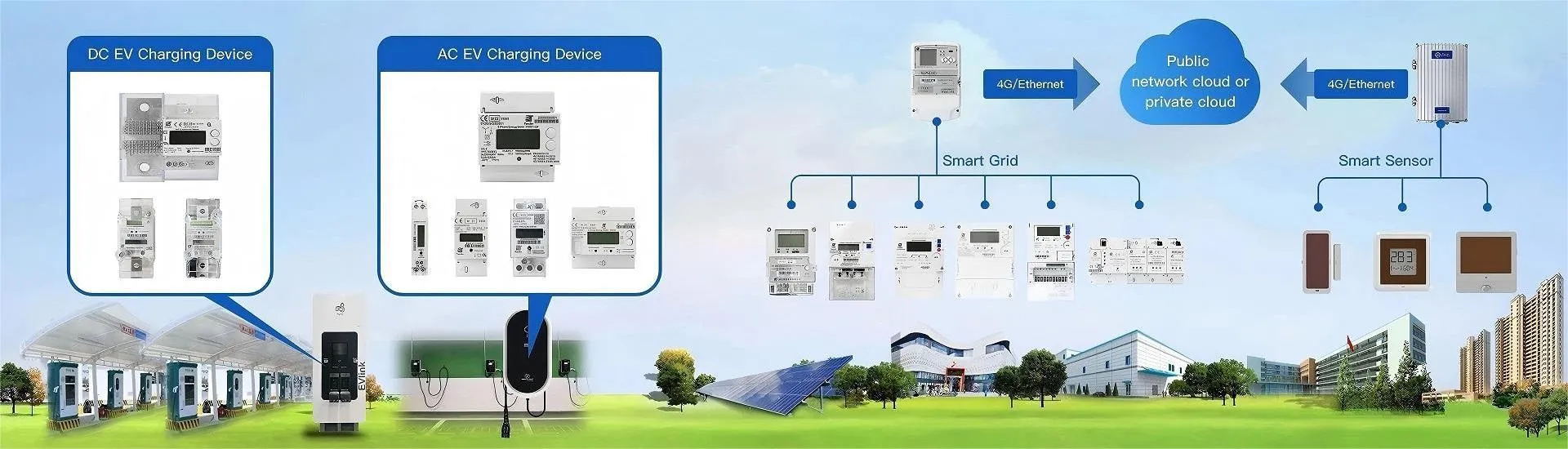
No matter which meter you choose, understanding its characteristics and scope of application is the key to achieving efficient energy management. With the development of smart grids, meter technology is also constantly improving, providing users with more accurate and convenient power metering solutions.