




1.What is a Smart Meter?
2.How Smart Meters Work
3.How to Read Smart Meter Data?
4.Is it Mandatory to Install a Smart Meter?
5.What is the Significance of Smart Meters?
6.Advantages of Smart Meters
7.Disadvantages of Smart Meters
1. What is a Smart Meter?
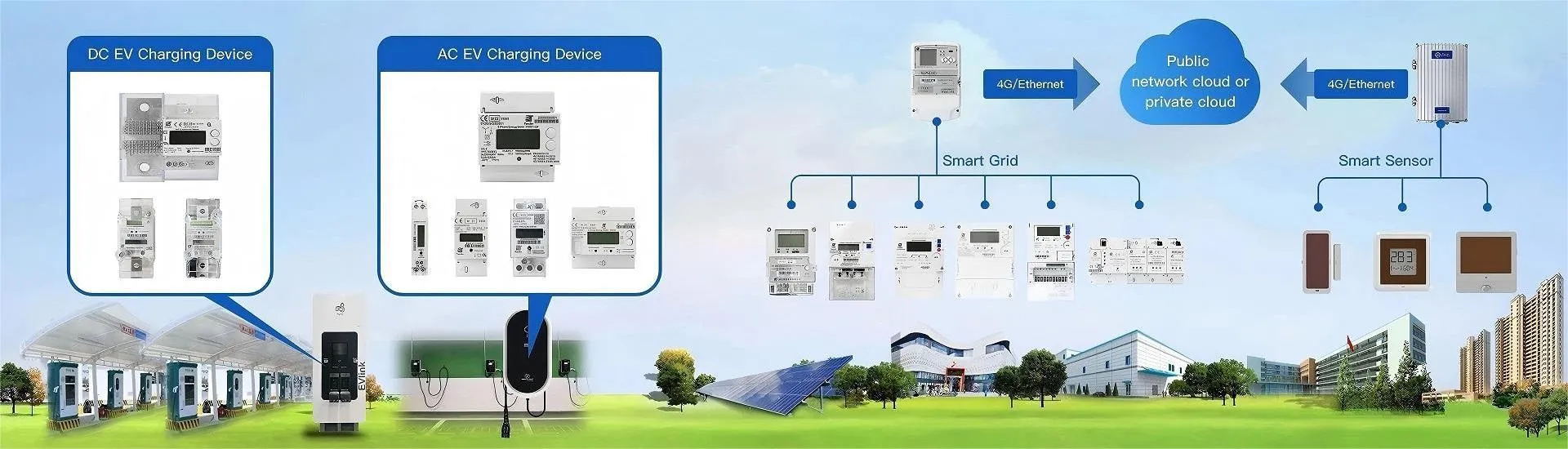
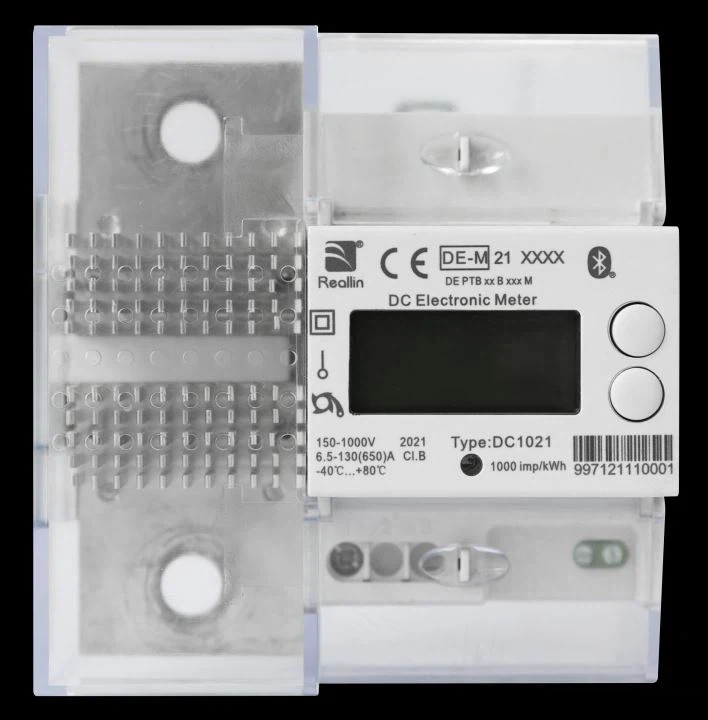
A Smart Meter is a modern electricity metering device that measures and records the electricity consumption of a home or business in real time. Unlike traditional meters, smart meters transmit data directly to power companies through two-way communication technology, and users can also view electricity consumption in real time through display screens or mobile phone applications.
Smart meters are not only a tool for electricity metering, but also an important part of smart grids, providing more possibilities for energy management.
2. How Smart Meters Work
Smart meters achieve their functions through built-in sensors and communication modules:
Data acquisition: Real-time measurement of parameters such as voltage, current, and power.
Data processing: Converting collected data into electricity consumption information.
Data transmission: Transmitting data to power companies and user terminals through wireless networks (such as cellular networks or Wi-Fi).
This two-way communication mode enables power companies to monitor electricity usage remotely, while users can also keep track of their electricity usage habits at any time.
3. How to read smart meter data?
Reading smart meter data is very simple:
Through the meter display: Most smart meters are equipped with an LCD display, where users can view real-time electricity usage, historical data and cost information.
Through mobile applications: Many power companies provide supporting applications, and users can monitor electricity usage in real time through their mobile phones.
Through a web platform: Some power companies also provide online platforms, where users can view detailed electricity usage reports through their computers.
4. Is it necessary to install a smart meter?
In many countries and regions, the installation of smart meters is voluntary, but some places are gradually implementing mandatory installation policies. The main purpose of installing smart meters is to improve energy management efficiency and reduce the cost of manual meter reading. Users can choose whether to install it according to their own needs.
5. What is the significance of smart meters?
The significance of smart meters is:
Improve energy efficiency: Help users optimize their electricity usage habits and reduce waste through real-time data.
Support smart grid: Provide real-time data to power companies to optimize power distribution and load management.
Promote the use of renewable energy: Help manage the generation and consumption of distributed energy (such as solar energy).
6. Advantages of smart meters
Real-time data: Users can check their electricity usage at any time and better manage energy consumption.
Remote meter reading: Power companies do not need to read meters manually, reducing operating costs.
Accurate billing: Billing is based on actual electricity consumption to avoid estimation errors.
Fault detection: Quickly detect power outages or equipment failures and improve service efficiency.
7. Disadvantages of smart meters
Privacy issues: Real-time data transmission may cause users to worry about privacy leaks.
Initial cost: Installing smart meters requires a certain amount of investment, which may increase the burden on users or power companies.
Technology dependence: Smart meters rely on communication networks, and network failures may affect their functions.
Summary
Smart meters are changing the way energy is managed and bringing many conveniences to users and power companies. Despite some challenges, their potential in improving energy efficiency, supporting smart grids and promoting sustainable development cannot be ignored. With the continuous advancement of technology, smart meters will become a core component of future energy systems.