

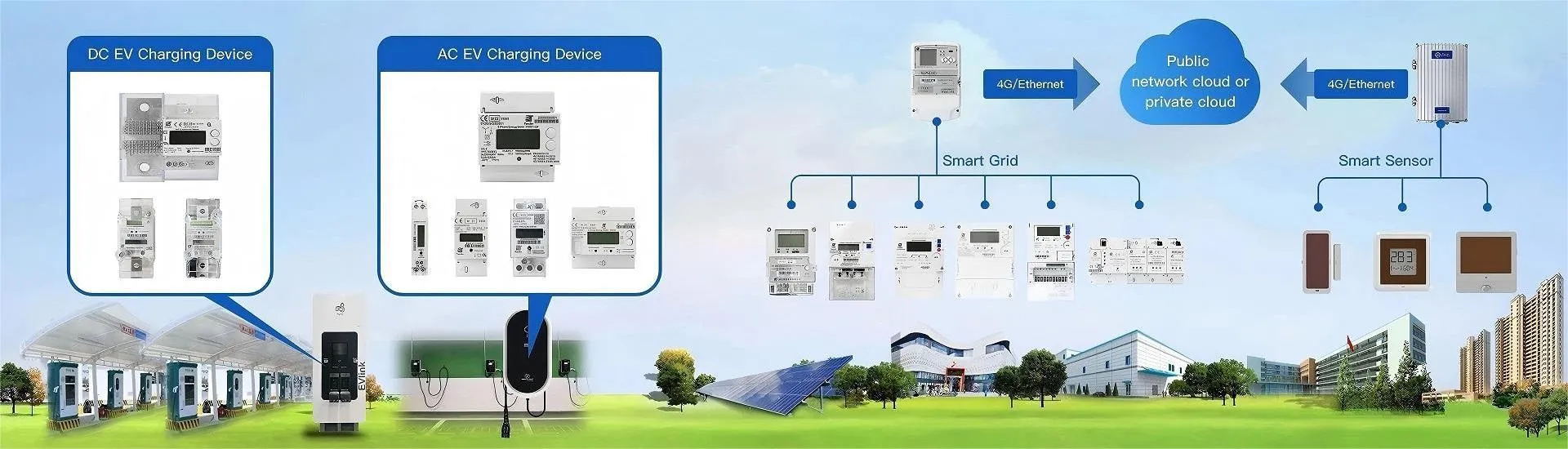




Many people believe that as long as an electricity meter that has passed MID certification is used, the entire charging pile does not need to undergo MID certification.

In fact, in most cases, charging piles still need to complete MID-related certifications. Only in specific scenarios can the certification process be simplified, rather than being completely exempted.
MID certification: Not just for "tables", but for "metering systems"
The Measuring Instruments Directive (2014/32/EU) is a mandatory regulation in the European Union governing measuring instruments for water, electricity, gas, and heat. Its core purpose is to ensure that measurement results involved in trade settlements are accurate, impartial, and tamper-proof.
Although the MID-certified electricity meter is the "metering heart" of the charging station, the final charging capacity (kWh) is generated by the entire charging station system.
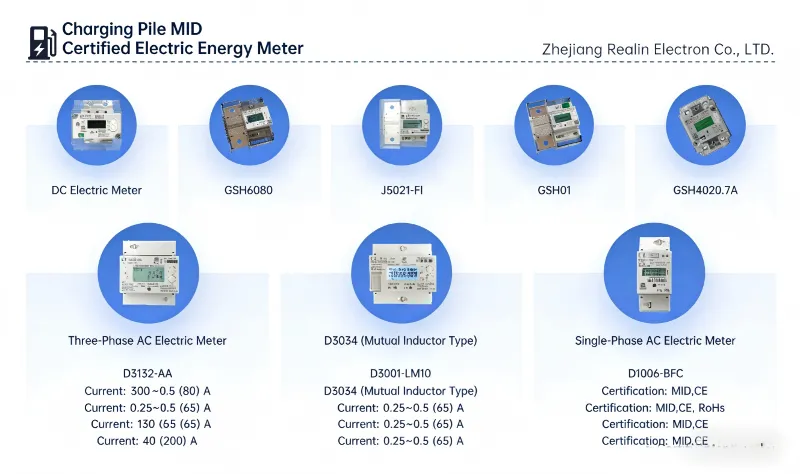
When conducting assessments, EU notified bodies (such as TÜV and SGS) consider the overall system and examine several aspects that cannot be fully covered by a single electricity meter:
1. Integrity of the metering loop
Certification bodies need to verify the accuracy of the entire chain, from charging gun output to electricity meter sampling, and then to main control chip calculation and screen display. Even if the meter itself is accurate, poor contact in the voltage and current sampling cables inside the charging pile, errors in data processing by the main control board, or illegal tampering with the values on the display screen can all lead to inaccurate metering.
2. Interference Resistance and Tamper-Proof Capabilities
MID certification requires not only static accuracy but also reliability under dynamic environments. The charging pile interior is a complex electromagnetic environment; the switching of high-power relays and the engagement of contactors generate strong electromagnetic interference. MID certification needs to verify whether the electricity meter can maintain stable metering unaffected by interference in this harsh environment. Simultaneously, regulations require the entire device to have tamper-proof design (such as lead seals) to prevent users from affecting the metering results through external means (such as strong magnetic fields or physical disassembly).
3. Software Compliance and Algorithm Security
Modern charging pile metering algorithms are often deeply integrated with software. MID certification requires that metering-related software must be "controlled," and any software changes that affect metering (such as firmware upgrades) must be re-reported and tested. If the charging pile itself is not certified, it cannot be proven that its metering software is compatible and secure with the software of the certified electricity meter.
EU regulations clearly define that charging stations have been included in the regulatory scope.
On November 18, 2025, the Council of the European Union issued a press release announcing a landmark interim agreement with the European Parliament to update the Measuring Instruments Directive (MID).
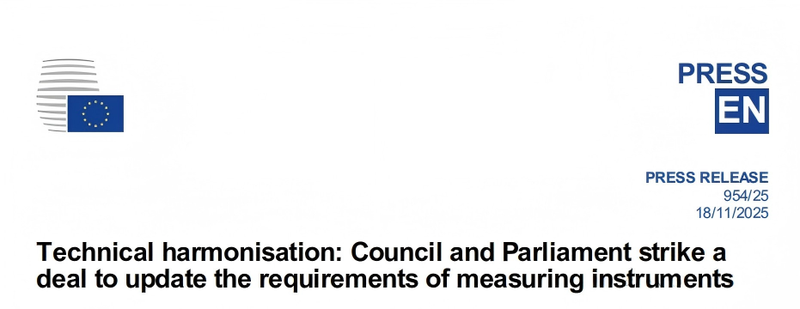
The core change in this agreement is that it formally includes all electric vehicle power supply equipment (EVSE), commonly known as charging stations, within the mandatory certification scope of MID (Mobile Internet Device). In the past, the metering module of a charging station might have needed to comply with relevant standards, but the entire charging station was never explicitly required to undergo legal metering certification.

Why is it recommended to use MID certified electricity meters? - Simplification, not exemption.
Since the entire unit still needs certification, what is the point of using MID-certified energy meters? The answer is: it can greatly simplify the certification process and reduce costs.
If a charging station company chooses a regular electricity meter without MID certification to apply for whole-unit MID certification, the certification body will treat the entire charging station (including the uncertified meter) as a completely new metering device and conduct full-scale testing. This means you need to start from scratch and complete all the rigorous tests, including the meter type test (Module B), which is time-consuming, risky, and expensive.
Advantages of using MID meters
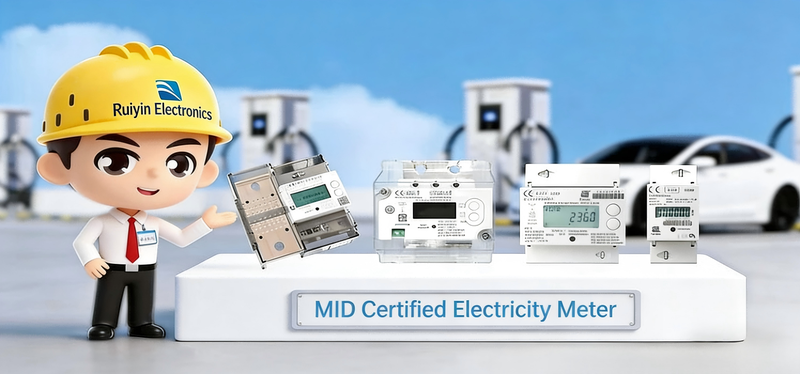
If a MID-certified electricity meter (such as the UBS Electronics charging pile electricity meter) is used, the situation is completely different:
- Risk Transfer: The meter's metering performance has been recognized by the EU Notified Body, eliminating the need for the certification body to re-test the meter's basic principles and type.
- Simplified Process: The focus of whole-machine certification will be on system integration verification-that is, verifying the compatibility and overall accuracy of the meter with the charging pile's main control, power module, and display unit. This typically corresponds to Module F (Product Verification) or Module D (Production Quality Assurance) in the conformity assessment module.
Shorter Cycle: Companies no longer need to overcome the complex metering circuit design and certification process themselves, shortening the whole-machine certification cycle by 3-6 months and obtaining the "passport" to enter Europe much faster.
Summarize
answer
The fact that a charging station uses an energy meter with MID certification does not exempt it from the obligation to have the entire device undergo MID certification.
The relationship between the two can be understood as follows: the MID-certified electricity meter is a verified and reliable "measuring heart"; while the MID certification of the entire charging pile ensures that this heart can beat normally, safely and stably in the complex body (charging pile), and that the "vital signs" (electricity reading) displayed are true and reliable.
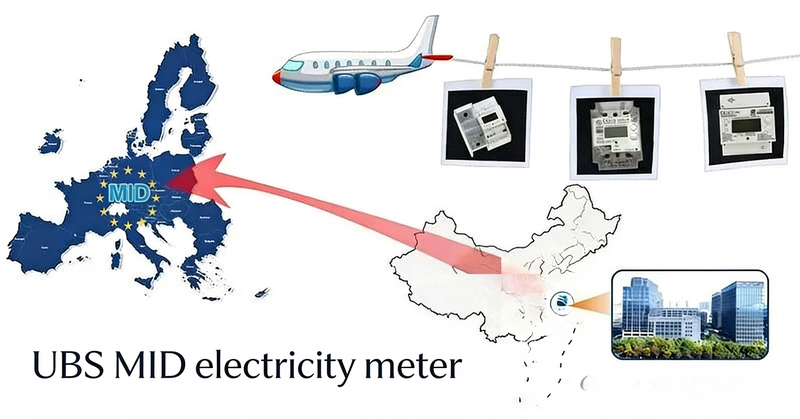
For charging station companies hoping to enter the European market, the wisest strategy is to select a high-quality MID-certified energy meter as the core component, and then complete the MID system certification for the entire unit based on this. This is not only a mandatory requirement to meet regulations, but also a bonus for demonstrating product quality to European customers and winning market trust.