

What Is a Low-Power DC Charging Pile?
A low-power DC charging pile is a charging device typically with a power range of 7kW to 40kW, positioned as a "supplement between AC slow charging and high-power DC fast charging." It supplies power directly through the vehicle's DC port, eliminating the need for an on-board charger-so its charging efficiency is higher than AC piles. Meanwhile, compared to high-power DC piles, it has simpler installation requirements, easier deployment, lower costs, and can connect to 380V civilian power (no dedicated power distribution facilities needed), significantly reducing installation and application thresholds.

Core Application Scenarios: Matching Diverse Charging Needs
With a power output usually ≤30kW, these compact, flexibly installed piles precisely fit various charging demands:
- Residential Use: Ideal for private garages or villa courtyards, meeting daily slow charging needs for household electric vehicles without additional power distribution modifications.
- Residential Community Support: Serves as a supplementary public charging facility in communities, aligning with residents' habit of long-duration charging at night (plenty of charging time, low power requirements).
- Commercial Scenarios (Office Buildings/Malls): Provides emergency charging for short-stay vehicles, easing charging queues during peak hours and expanding on-site charging service coverage.
- Shared Parking Spaces: Works with shared parking operators to offer flexible on-demand charging for temporary parkers, catering to fragmented charging needs.
- Low-Speed Vehicle Use: Specifically designed for low-speed electric vehicles and small logistics vehicles, meeting quick charging needs after short trips (these vehicles have small battery capacities, so low-power charging suffices).

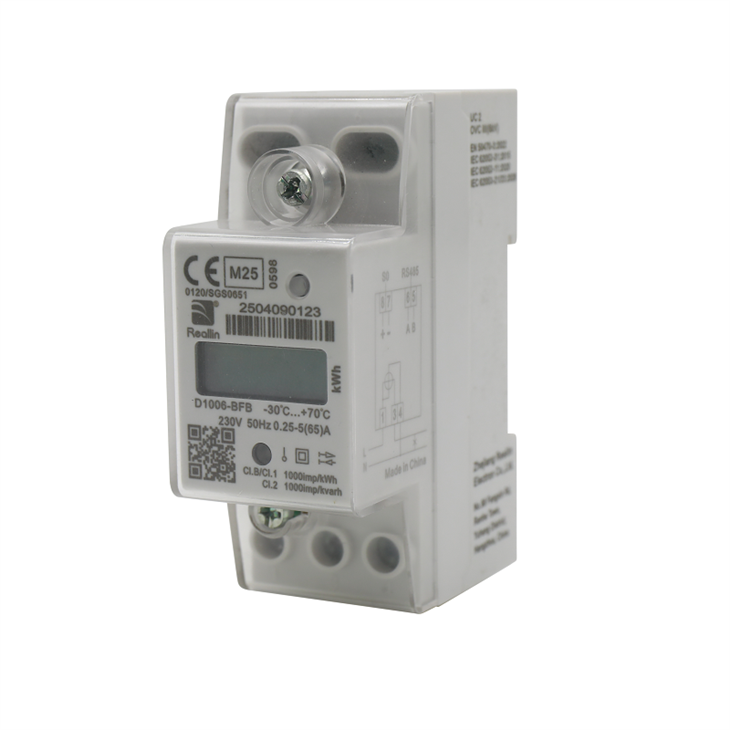
Two Reasons Some Models "Lack Built-in Energy Meters"
Cost Optimization for Residential UsersFor home charging piles purchased and installed by individual users, they function like a "large charging cable"-power grid companies provide a unified independent energy meter, and users settle electricity fees via this meter. Thus, no built-in meter is needed in the pile, which reduces production and installation costs while making the product more price-competitive.
Feasibility of On-Board Metering SolutionsSome low-power DC piles use "on-board metering" instead of independent energy meters. Though less accurate than standalone meters, rough charging volume statistics are sufficient for non-commercial scenarios (e.g., residential use, community non-profit setups), further simplifying device structure.
Public Operational Piles: Energy Meters Are a "Must-Have"
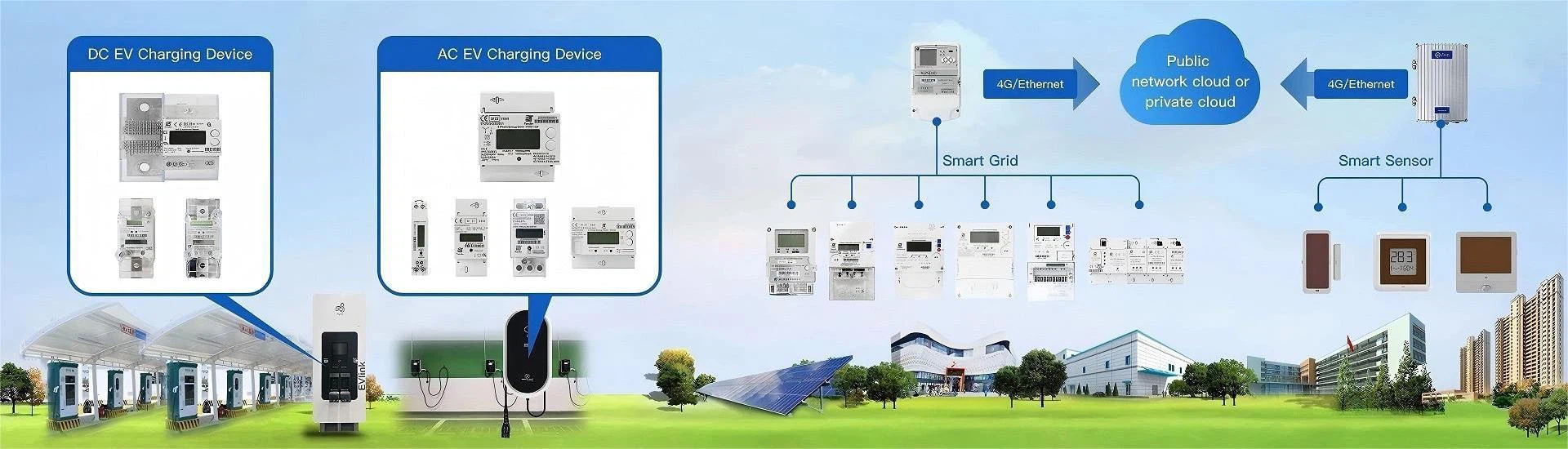
For charging piles providing public services, "metering accuracy" directly relates to charging fairness-so a built-in independent energy meter is mandatory. Take the Ruiyin integrated DC energy meter DZ1226 as an example; its key advantages include:

- High Adaptability: Integrated design fits the compact internal space of low-power piles, enabling easy installation.
- Reliable Metering: 0.5-class accuracy meets national metering standards, ensuring fair charging.
- Controllable Costs: Cost-effective, helping operators control construction costs while maintaining accurate metering.
- Strong Compliance: CPA-certified and compliant with charging pile national standards, boosting user trust and avoiding metering disputes.
In practice, public charging stations usually prioritize high-power fast/super-fast piles-these have higher "turnover rates" and significantly improve revenue efficiency. If low-power piles are not used for public operations (e.g., only serving internal vehicles), independent energy meters are often omitted.
Industry Trend: Positioning & Future of Low-Power Piles
The core value of low-power DC charging piles lies in filling the market gap between "too-slow AC charging" and "too-costly fast charging," especially for low-range EVs and short-distance charging needs. As low-speed EVs and shared mobility scenarios become more popular, these piles will see wider adoption; and "differentiated metering solutions" for different scenarios (residential vs. commercial) will remain a key product design focus.