


How Smart Meters Work for Electric Vehicle Charging
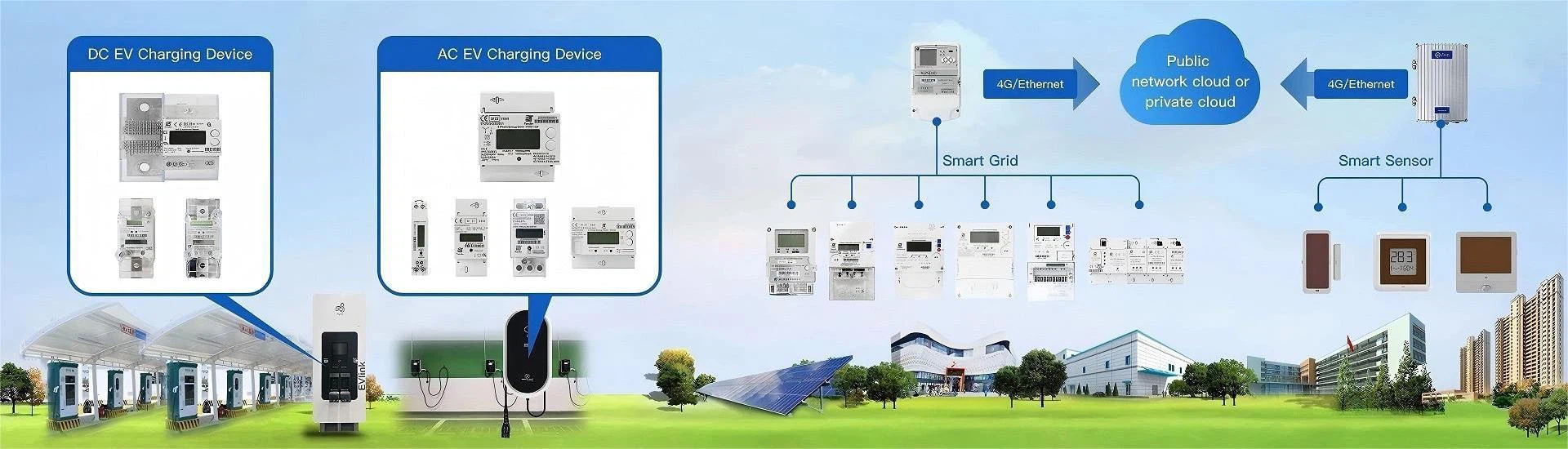
In the rapidly evolving landscape of electric vehicle (EV) charging, smart meters have emerged as a transformative technology, revolutionizing the way energy is measured, managed, and utilized. These intelligent devices play a crucial role in optimizing the charging process, enhancing user experience, and ensuring the efficient operation of the electrical grid. Here's a detailed look at how smart meters work in the context of EV charging.
The Basics of Smart Meter Hardware
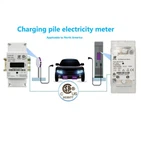
At the heart of smart metering for EV charging is the meter itself, which is far more advanced than traditional energy meters. A smart meter for EV charging is equipped with sophisticated sensors that can precisely measure multiple electrical parameters in real - time. These sensors continuously monitor the voltage, current, power factor, and energy consumption during the charging process. For example, when an EV is connected to a charging station, the smart meter's current sensor detects the flow of electric current into the vehicle's battery, while the voltage sensor measures the electrical potential. By multiplying these two values, the meter can accurately calculate the power being consumed at any given moment.
In addition to measurement sensors, smart meters feature built - in microprocessors. These microprocessors are responsible for processing the data collected by the sensors, performing complex calculations, and managing the meter's operations. They can store historical energy consumption data, allowing for detailed analysis of charging patterns over time. Some smart meters also have non - volatile memory, ensuring that data is retained even in the event of a power outage.
Communication Capabilities: The Key to Smart Functionality
One of the defining features of smart meters is their ability to communicate. They are equipped with various communication modules that enable seamless data transfer between the meter, the charging station, the EV owner, and the utility provider or charging network operator.
Wireless Communication: Many smart meters use wireless technologies such as Wi - Fi, Bluetooth, 4G, or 5G for communication. For instance, a smart meter in a public charging station can connect to a cellular network to send real - time data about charging sessions, including the amount of energy consumed, the start and end times, and the charging rate, to the central management system of the charging network. EV owners can also use a mobile app that connects to the smart meter via Bluetooth or Wi - Fi to monitor the charging progress of their vehicles, receive notifications, and manage their charging schedules.
Power - line Communication (PLC): In some cases, smart meters utilize PLC technology, which allows them to transmit data over the existing electrical power lines. This can be a cost - effective solution, especially in residential or commercial buildings where installing additional wired or wireless infrastructure may be challenging. PLC enables the smart meter to communicate with other devices on the same electrical network, such as the building's electrical panel or the utility company's monitoring system.
Integration with Charging Station Management Systems
Smart meters are seamlessly integrated with charging station management systems, which act as the control center for the charging infrastructure. When an EV is plugged into a charging station, the smart meter sends information about the vehicle's charging requirements and the available electrical supply to the management system. The management system then uses this data to initiate the charging process, adjusting the charging power as needed to ensure a safe and efficient charge.
During the charging session, the smart meter continuously sends real - time data to the management system, including the current charging rate, the amount of energy already transferred, and any abnormalities or errors detected. The management system can use this information to monitor the performance of the charging station, detect potential issues such as overloading or equipment failures, and take appropriate actions. For example, if the smart meter detects an abnormal increase in current, indicating a possible short circuit, it can send an alert to the management system, which can then automatically stop the charging process to prevent damage to the EV or the charging station.
Interaction with the Electrical Grid
Smart meters also play a vital role in integrating EV charging with the electrical grid. They can communicate with the grid operator to provide information about the charging demand of EVs connected to the network. This data is crucial for grid operators to manage the overall electrical load and ensure grid stability. For instance, during peak electricity demand hours, when the grid is under stress, the smart meter can receive signals from the grid operator instructing it to reduce the charging power of EVs or even pause charging
temporarily. In some advanced systems, smart meters can participate in vehicle - to - grid (V2G) technology, allowing EVs to feed electricity back into the grid during periods of high demand, effectively using the vehicles as mobile energy storage units.
Billing and User - Friendly Features
Smart meters simplify the billing process for EV charging. They accurately record the amount of energy consumed during each charging session, and this data is used by the charging network operator or utility provider to generate detailed and accurate invoices for EV owners. Some smart meters also support different billing models, such as pay - per - kWh, time - based charging, or subscription - based plans, providing flexibility for both operators and users.
For EV owners, smart meters offer a range of user - friendly features. Through mobile apps or web - based portals, owners can access real - time information about their charging sessions, view historical charging data, and analyze their energy consumption patterns. They can also set up charging schedules to take advantage of lower electricity rates during off - peak hours, saving money on their charging costs. Additionally, smart meters can provide alerts and notifications, such as when the vehicle is fully charged or when there is a problem with the charging process, enhancing the overall user experience.
In conclusion, smart meters are an integral part of the modern EV charging ecosystem. Their advanced measurement capabilities, communication features, integration with charging station management systems and the electrical grid, and user - friendly functions all contribute to a more efficient, sustainable, and convenient EV charging experience. As the adoption of EVs continues to grow, smart meters will play an increasingly important role in shaping the future of transportation and energy management.