

What is EV Charger Metering?
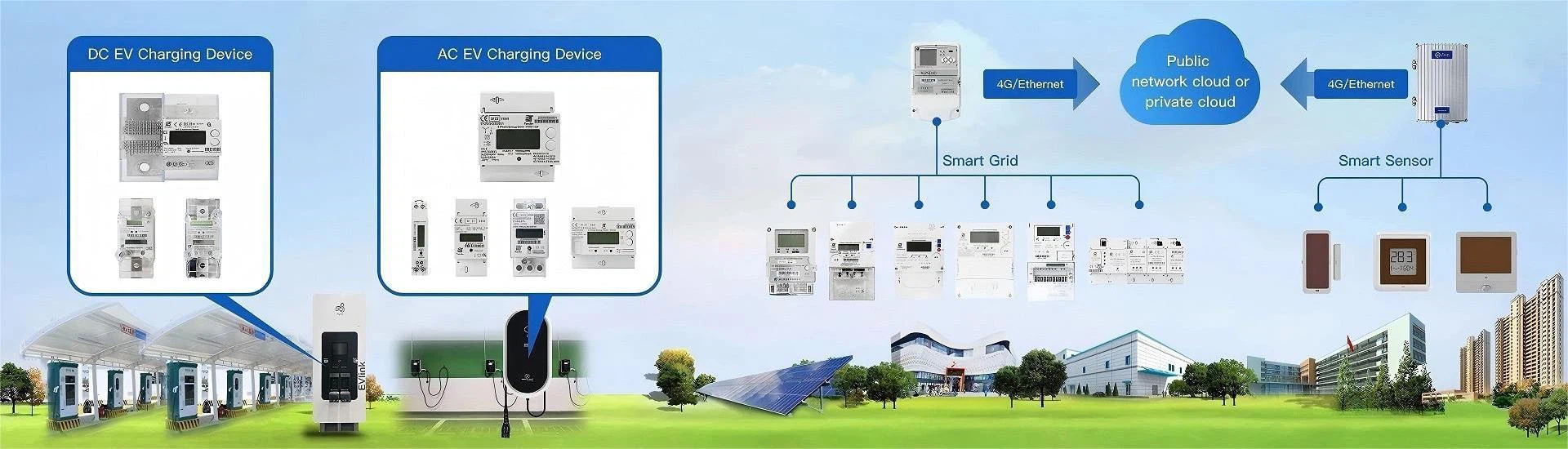
EV charger metering refers to the process and technology used to measure the electrical energy transferred from a charging source to an electric vehicle during the charging process. Similar to how a traditional electricity meter tracks the energy consumption of a household, an EV charger meter focuses specifically on quantifying the power used by an EV. It goes beyond simple on - off detection, precisely measuring key electrical parameters such as voltage, current, power factor, and cumulative energy consumption.
Key Components Involved in EV Charger Metering
1. The Meter Itself
The EV charger meter is the central device responsible for measurement. Depending on the type of charger and its application, meters can vary in complexity and functionality. For example, basic meters in home chargers might focus on straightforward energy measurement, while those in commercial or public fast - charging stations are often more sophisticated, capable of handling higher power levels and providing detailed data analytics.
Accuracy: High - quality EV charger meters are designed to offer precise measurements. Accuracy is typically expressed as a percentage, with many advanced meters boasting an accuracy rate of ±0.5% or better. This level of precision ensures that the amount of energy consumed by the EV is accurately recorded, enabling fair and accurate billing.
Compatibility: Meters need to be compatible with different charging standards, such as Level 1 (120V AC), Level 2 (240V AC), and DC fast charging (higher - voltage DC). They must be able to adapt to the varying electrical characteristics of these charging methods to provide reliable measurements.
2. Communication Modules
In modern EV charger metering systems, communication modules play a crucial role. These modules enable the meter to transmit the measured data to other devices or systems, such as charging station controllers, central management platforms, or even the EV owner's mobile app.
Wired and Wireless Options: Common communication methods include wired connections like Ethernet or Power - line Communication (PLC), as well as wireless options such as Wi - Fi, Bluetooth, 4G/5G cellular networks. Wireless communication offers flexibility, allowing for remote monitoring and management, while wired connections can provide stable and secure data transfer, especially in industrial or large - scale charging setups.
Protocols: Standard communication protocols like the Open Charge Point Protocol (OCPP) are widely used in the industry. OCPP enables interoperability between different charging stations, meters, and back - end management systems, facilitating seamless data exchange and operation across various platforms.
3. Charging Station Controllers
The charging station controller acts as the "brain" of the charging station, coordinating the charging process and interacting with the EV charger meter. It receives data from the meter, interprets it, and uses this information to manage the charging session. For example, the controller can start or stop the charging process based on the meter's readings, calculate the charging cost for billing purposes, and monitor the overall performance of the charging station.
How Does EV Charger Metering Work?
When an EV is connected to a charging station, the EV charger meter immediately begins its operation. It continuously monitors the electrical parameters of the charging circuit. The meter measures the voltage supplied to the vehicle and the current flowing into the EV's battery. By multiplying these two values, it calculates the instantaneous power being consumed. Over time, it accumulates this power consumption data to determine the total energy transferred to the EV during the charging session.
For instance, in a typical Level 2 charging scenario with a voltage of 240 volts and a current of 32 amperes, the meter calculates the power as 7.68 kilowatts (240V x 32A). As the charging continues, the meter keeps track of how long the power is supplied at this level and sums up the energy used. Once the charging session is complete, the meter has an accurate record of the total energy consumed, which can then be used for billing, reporting, and analysis.
Importance of EV Charger Metering
1. Fair Billing
One of the primary functions of EV charger metering is to ensure fair billing for EV owners. Since different EVs have varying battery capacities and charging efficiencies, accurate metering allows charging station operators to charge customers based on the actual
amount of energy consumed. This eliminates the need for flat - rate charging models that may not accurately reflect the usage of individual vehicles, promoting transparency and fairness in the charging ecosystem.
2. Energy Management
For charging station operators and grid managers, EV charger metering data is invaluable for energy management. By analyzing the data collected from meters across multiple charging stations, operators can identify peak charging hours, understand energy consumption patterns, and optimize the allocation of electrical resources. This information can be used to balance the load on the electrical grid, prevent overloading, and even participate in demand - response programs, helping to ensure the stability and reliability of the power supply.
3. Performance Monitoring
EV charger metering also enables performance monitoring of the charging infrastructure. Operators can use the data to assess the efficiency of individual chargers, detect any malfunctions or abnormalities early, and schedule maintenance as needed. This helps to minimize downtime, improve the overall user experience, and extend the lifespan of the charging equipment.
In conclusion, EV charger metering is a vital aspect of the EV charging ecosystem. With a solid understanding of its basic principles, components, and functions, EV owners can make informed decisions about their charging habits, while industry players can build more efficient, reliable, and sustainable charging infrastructure for the future of electric mobility.