

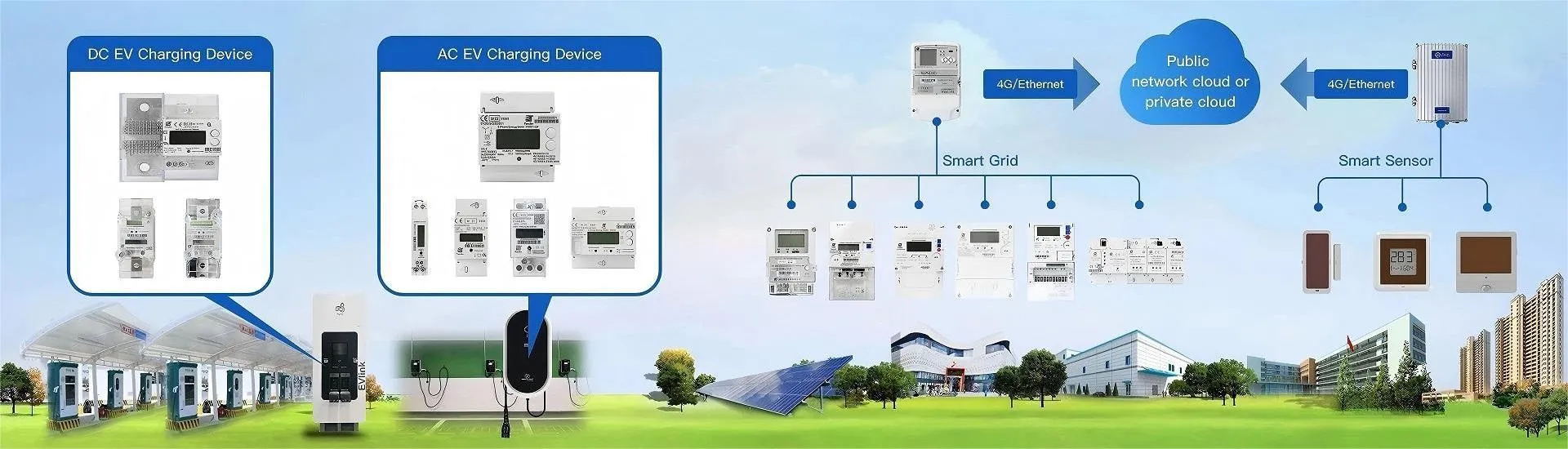


In recent years, driven by the low-carbon economy, green energy conservation and sustainable development, how to further improve the efficiency of the power grid, actively respond to environmental challenges, improve power supply reliability and power quality, improve power user services, and adapt to the needs of a more open energy and power market environment has put forward higher requirements for the development of the future power grid. The concept of smart grid has emerged and has become a hot topic for joint research and discussion in the global power industry. The communication technology, information processing technology and control technology will support the smart grid in China and even the world. The corresponding markets will involve smart meters, network infrastructure and its control, and smart data management. As an important basic equipment for the construction of smart grids, smart meters will accelerate the integration of the smart meter industry chain and promote its industrialization, which will play a supporting role in the realization of informatization, automation and interactivity of the power grid.
Content
2. Functions and features of smart meters
3. Smart meters support floating electricity prices
4. Smart meters and smart home appliance control
5. Bidirectional metering of smart meters
6. The pilot application of smart meters has achieved remarkable results
7. Application of smart meters in smart grids
8. Optimize distributed energy configuration
9. Smart meters improve the accuracy of load forecasting
10. Provide a basis for fault analysis
11. Intelligent demand management
12. Promote the development of new technologies for smart electricity consumption
13. Development direction of smart meters
14. Advantages of smart meters using functional modular design
1. Introduction to Smart Grid
Smart grid is the intelligence of power grid. It is based on an integrated, high-speed two-way communication network. Through the application of advanced sensing and measurement technology, advanced equipment technology, advanced control methods and advanced decision support system technology, it realizes the goals of reliable, safe, economical, efficient, environmentally friendly and safe use of power grid. Its main features include self-healing, motivating users, resisting attacks, providing power quality that meets the needs of users in the 21st century, allowing access to various forms of power generation, starting the power market and optimizing and efficient operation of assets. At present, in the world, due to the different economic development conditions and specific conditions of power grid construction levels, the construction motivations and concerns of smart grids are also different. The United States mainly focuses on the upgrading and updating of power network infrastructure, while making the most of information technology to realize the replacement of system intelligence for manual work. Europe focuses on the development of renewable energy and distributed energy, improving power supply reliability and power quality, and driving the transformation of the development model of the entire industry. China's smart grid is based on the ultra-high voltage backbone transmission network, establishing a strong transmission system, and realizing a wide range of reasonable energy allocation.
Although different countries have different focuses on smart grids, the goal of smart grid construction is to achieve reliable, safe, economical, efficient, environmentally friendly and safe operation of the grid. The basic characteristics of smart grids include the interaction between the grid and users. As a good medium for the interaction of smart grids, smart meters play an irreplaceable role in the construction of smart grids.

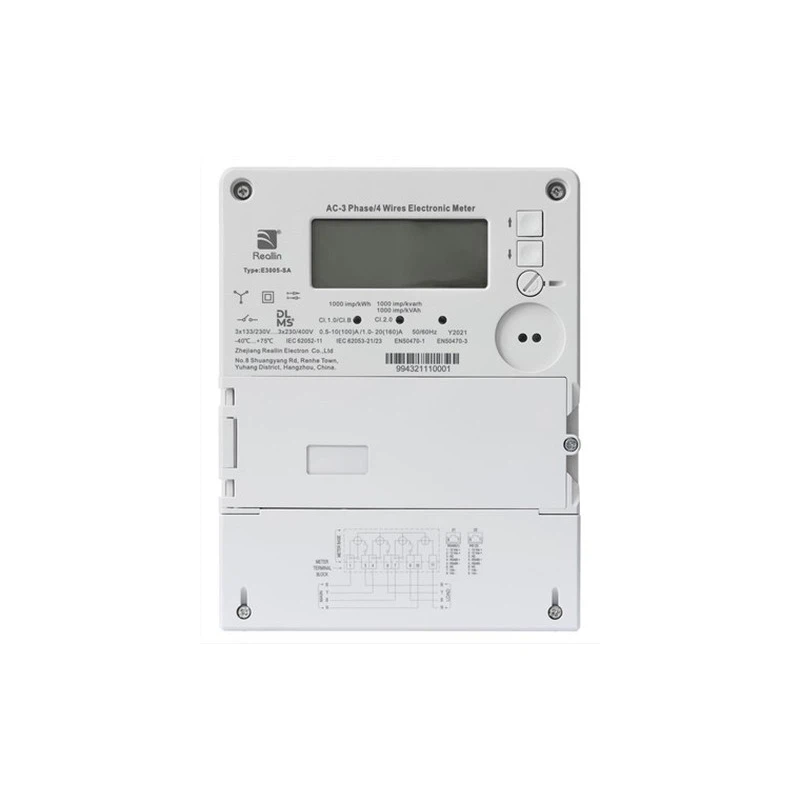
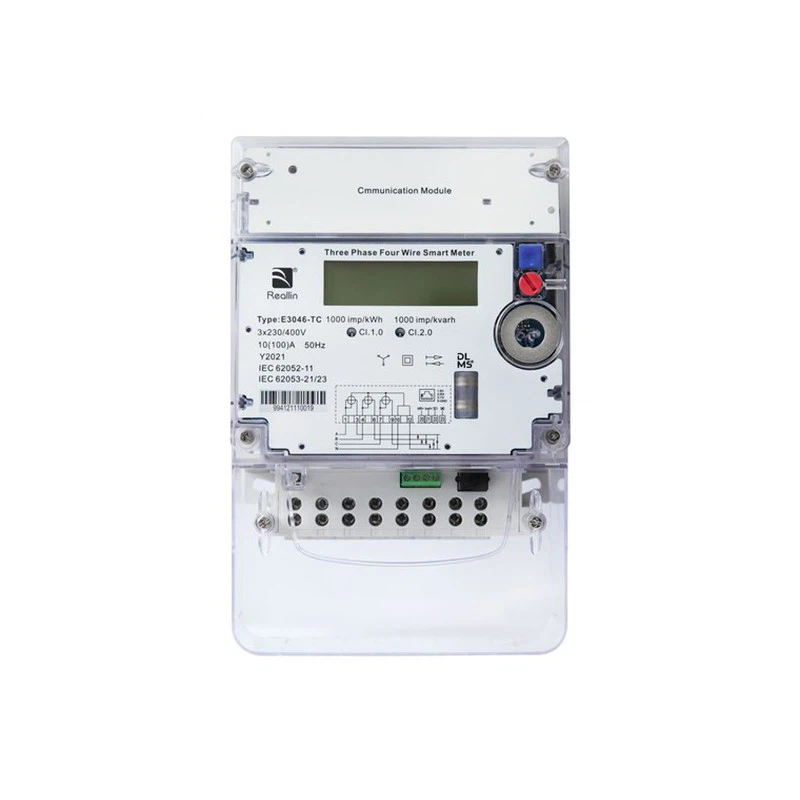
2. Functions and characteristics of smart meters
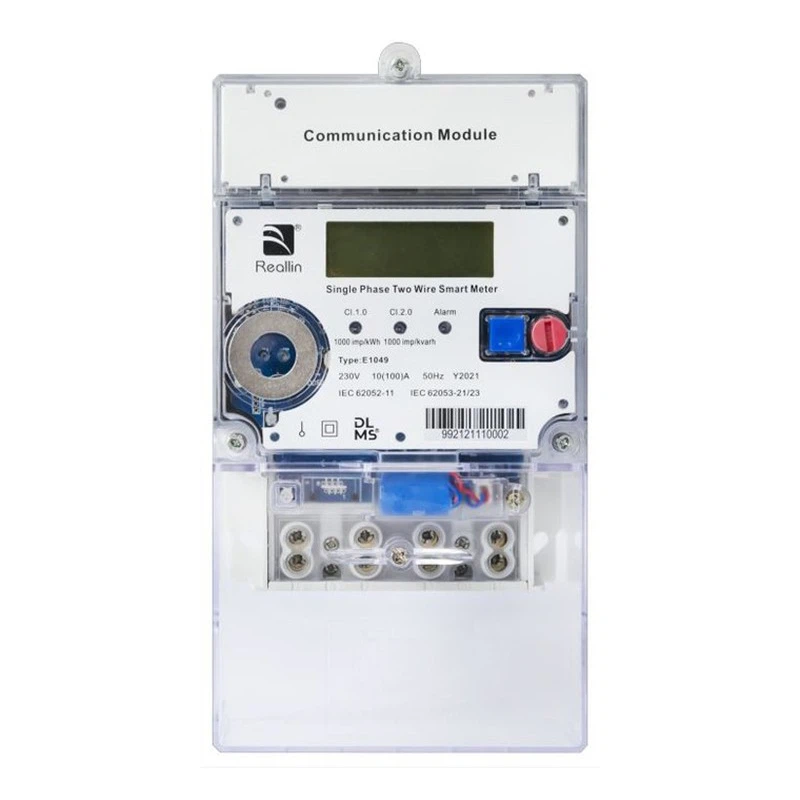
Smart meters are developed on the basis of electronic meters. In the 1970s, researchers successfully developed electronic meters that use analog and digital circuits to achieve energy metering functions, overcoming the shortcomings of traditional inductive mechanical meters, such as low manual meter reading efficiency, large data deviation, and poor anti-theft functions. On this basis, through the continuous expansion of the application of digital technology, electronic meters have functions such as time-of-use billing and prepayment. Smart meters have achieved a comprehensive breakthrough in electronic meters. With smart chips as the core, they integrate meter readers with two-way information exchange functions, an operation management system and a database, and build a communication platform that applies computer technology, communication technology and other systems to achieve functions such as electric power time measurement, automatic billing, instant two-way communication and optimized electricity use.
3. Smart meters support floating electricity prices
Compared with traditional meters, smart meters are programmable meters. In addition to being able to measure electricity with a certain degree of accuracy, they can measure and store more data and have more powerful functions. For example, they can save electricity data with time stamps at any time, measure and store various types of electricity and power data according to pre-set time intervals, support time-of-use electricity prices or real-time electricity prices and demand-side management, and meet the requirements of electricity measurement under real-time electricity prices.
Two-way communication function Smart meters have built-in communication modules with two-way communication functions, and exchange information through two-way communication networks and data centers. Power supply companies can notify users of grid information (such as power outage information) that they are interested in through smart meters or other means, so that users can prepare to change their electricity usage in advance. Users' electricity usage information is released to users regularly and regularly, so that users can grasp their real-time electricity usage. When implementing real-time electricity prices, power supply companies can release real-time electricity price information to users through smart meters, and users can arrange electricity plans according to real-time electricity prices, saving electricity bills while contributing to reducing peak loads on the power grid.
4. Smart meters and smart home appliance control
Smart energy meters have the function of communicating and controlling smart home appliances. Smart energy meters can control the start and stop of home appliances by setting parameters according to real-time electricity prices, reduce the load during peak hours, and increase the load during low hours. Without any additional user investment, by changing the use time of high-power electrical equipment, the purpose of saving electricity costs is achieved, and at the same time, it also contributes to the peak-shaving and valley-filling of the power grid.
5. Bidirectional metering of smart meters
For large users with self-provided power generation capacity, energy storage equipment and renewable distributed power sources, smart energy meters can guide users to economically and reasonably allocate the amount of power generation and the amount of electricity purchased according to the real-time electricity price, so that the user's electricity cost is the lowest. Encourage users to invest in the installation of civilian solar energy, wind energy and high-energy storage equipment, encourage users to invest in cold storage, heat storage and power storage equipment, change the way of electricity use and save electricity, reduce the demand for power grid electricity, reduce the load of the power supply system, save fuel consumption, relieve exhaust gas emissions and greenhouse effects, and reduce user electricity expenses.
6. The pilot application of smart meters has achieved remarkable results
The UK has conducted optimization operation effect tests on pilot users and power grids that installed smart meters. According to the statistical data of the smart meter monitor, through the two-way instant data feedback function, it is preliminarily calculated that due to the optimization of electricity use, the annual electricity bill expenditure of an ordinary household user has the potential to be reduced by 13%~15%. The British government estimates that if 26 million households across the country install smart meters, it can save electricity users and energy companies 2.5 to 3.6 billion pounds in the next 20 years, reduce energy consumption by 3% to 15%, and have obvious social and environmental benefits. These data provide a basis for the government to introduce more policies.
7. Application of smart meters in smart grids
Optimizing the order of electricity consumption of new energy Using smart meters can help people give priority to the use of new energy such as wind power and solar energy. Using real-time data collection and measurement of smart meters to formulate more accurate load forecasts can guide the optimization and dispatch of new energy. The distribution management system platform developed by REALLIN uses smart meters as portal stations to integrate demand response, residential energy-saving automation, distributed generation optimization management and other functions, and implements coordinated control of the distribution system and the new energy system in the main grid.
8. Optimize distributed energy configuration
There are still many problems when distributed energy and distribution network are connected to the grid. Power supply companies use smart meters to monitor, control and adjust the distribution system in real time, understand the characteristics of distributed power sources and their mutual influence with grid operation, and optimize distributed energy configuration, so as to achieve the most economical and safest transmission and distribution method to deliver electricity to end users, improve the reliability of grid operation and energy utilization efficiency.
9. Smart meters improve the accuracy of load forecasting
With the promotion and application of smart meters, large users can upload their recent power consumption plans to power supply companies through smart meters, and users with distributed power sources can upload their own power transmission plans and distributed power generation data through smart meters. Power supply companies use the capacity, time and order of users' planned power consumption as accurate information for load forecasting, and automatically intervene in the load forecasting system, which can improve the accuracy of load forecasting, reduce the backup capacity of the power grid, and improve the economic benefits of the power grid.
10. Provide a basis for fault analysis
Power supply companies can use smart meters to monitor users' power consumption in real time, realize online analysis of abnormal conditions, dynamic tracking and automatic control, and improve power supply reliability. When a fault occurs, abnormal power consumption records can be queried through smart meters to provide reliable real-time data for fault analysis.
11. Intelligent demand management
Smart meters collect more real-time grid operation data (voltage, current, power, etc.), and intelligently monitor and control the status and energy consumption of power equipment, so as to grasp more detailed user load conditions, automatically compile and optimize orderly power consumption plans, automatically implement, process tracking, automatic monitoring and effect evaluation, and achieve intelligent demand-side management.
12. Promote the development of new technologies for smart electricity consumption
The widespread application of smart meters has enabled power supply companies to transform from manual meter reading to automatic meter reading, and at the same time obtain more power consumption data. After analysis and processing, the smart meters are used as gateways to notify users of real-time electricity price information, payment information, and power consumption information through two-way real-time communication, optimize customer service and encourage users to use electricity reasonably and participate in load regulation.
13. Development direction of smart meters
The first step of smart grid is the construction of the "power user power consumption information collection system" of the state or power grid company. Automatic meter reading technology based on smart meters is the key to building this system. With the advancement of the information age and the development of technology, smart meters, as the nerve endings of smart grids, will play a greater role in the information society in the near future and have a broader application prospect. The biggest feature of smart meters is interaction, that is, the information interaction between users and power supply companies. The key to information interaction is management. Management is more convenient and humanized, and humanized management requires stronger information processing capabilities of chips. The development of smart meters will inevitably take the direction of modularization, networking and systematization.
14. Advantages of smart meters using functional modular design
1) The upgrade of electric energy meters can be achieved by replacing some functional modules without replacing the entire electric energy meter, thus getting rid of the fate of batch replacement and elimination caused by the unchangeable design of traditional electric energy meters, and even the need to reconstruct the entire system;
2) Due to the modularization of functions and the standardization of structures, the power supply and use management department does not have to rely too much on the products of a certain electric energy meter manufacturer when purchasing electric energy meters, and provides the possibility for the research and development of standardized electric energy meters;
3) The method of replacing faulty modules on-site or remotely can improve maintainability and save maintenance costs.
Networking can realize real-time sampling and storage of electric energy data in various occasions, and transmit the information to the power consumption information management system in real time or non-real time through wired or wireless network transmission. Through data sharing and analysis, the power supply and consumption management department can measure and monitor the power consumption information in real time or non-real time. Through networking, some functions of smart meters can be moved from the access layer to the network layer and data management platform layer, and the functions of smart meters can be realized through data sharing and comprehensive analysis, simplifying the design of smart meters. At present, the available communication networks are: power line carrier (PLC) network, optical fiber and coaxial cable (HFC) network, fixed telephone (PSTN) network, wireless mobile (GSM/GPRS/CDMA) network. The power fiber-to-home project technically realizes that only one construction and one channel are needed to solve the problem of cable access to the home at one time, which can replace the previous multiple construction of multiple lines such as electric wires, network cables, telephone lines and cable TV. The purpose of the integration of three networks is to share resources, provide a stable, reliable and low-cost data transmission channel and network for the transmission of electric energy information data, and lay a networking foundation for the networking and systematization of smart meters and the realization of automatic meter reading.
Systematization is the comprehensive use of mature computer technology and power system automation technology to achieve effective analysis, processing and management of massive electricity consumption data on the data control management platform. Driven by networking and systematization, the electricity consumption information management system can develop in the direction of distribution and openness, making the expansion of electricity consumption information management functions more flexible, performance continuously improved, and easier to use.
15. Summary
As a professional smart meter manufacturer, Reallin accelerates the modular development of smart meters by standardizing the appearance and functional indicators of smart meters; strengthens the systematic functions of smart meters by establishing an "electricity information collection system"; and establishes a network infrastructure that meets the advanced applications of smart meters in the future through the integration of three networks, closely connecting users and power supply companies, and becoming a basic functional module for realizing smart grid distribution automation. Zhejiang Reallin Electron Co., Ltd. Smart meters are developing steadily and playing a driving role in the construction of smart grids.