



1. What is a Multifunction Meter?
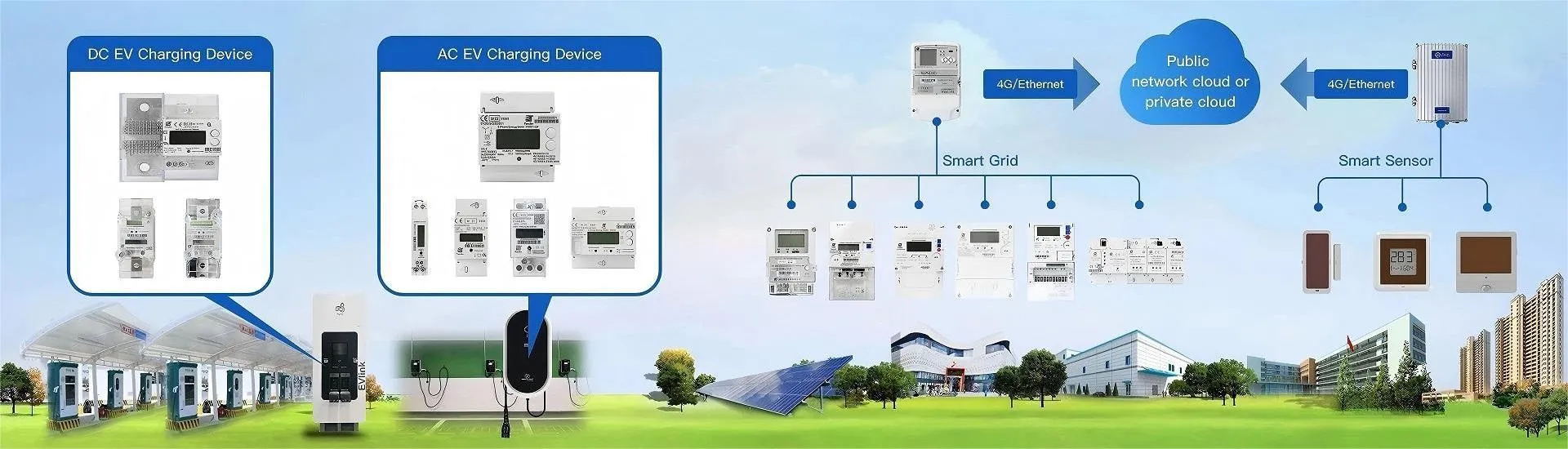
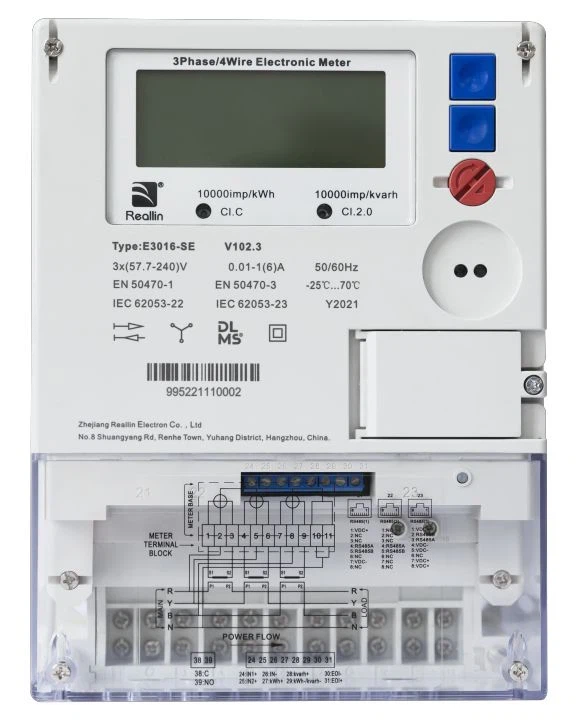
A Multifunction Meter (MFM) is a device used to monitor electrical installations. It is capable of measuring and monitoring a variety of electrical parameters, including voltage, current, active power, reactive power, apparent power, power factor, active energy, phase angle and harmonic distortion. It is called a "multifunction" meter because it can measure multiple parameters simultaneously.
Multifunction meters are often used in complex systems that require continuous and accurate power monitoring. In addition to monitoring functions, it can also help users track energy consumption, optimize costs and quickly troubleshoot electrical faults. One of its biggest advantages is the ability to measure three-phase power systems simultaneously.
2. History of Multifunction Meters
The history of multifunction meters can be traced back to the 1920s. The earliest multi-function meter was invented by Donald Macadie, who was dissatisfied with carrying multiple separate instruments to maintain telecommunication circuits and designed an integrated device that could measure voltage, resistance, and current. This device was originally called a "multimeter".
Early multi-function meters mainly consisted of voltage and precision resistors, range selection switches, and moving coil meters. With the development of technology, modern multi-function meters have evolved into highly intelligent devices that can sample and process electrical signals in real time.
3. Working principle of multi-function meter
Unlike traditional inductive meters, the working principle of multi-function meters is more intelligent. It samples the user's power supply voltage and current in real time, processes these signals with microcontrollers and electronic circuits, and converts them into electrical energy data. Ultimately, these data are presented in the form of pulse output or digital signals for user analysis and use.
Key components
Sensors: including voltage transformers and current transformers, used to measure voltage and current.
Data manager: collects the data recorded by the sensor and transmits it to the display or central system through interfaces such as RS-485.
4. Application fields of multifunctional instruments
Multifunctional instruments are widely used in many industries, especially in areas where accurate monitoring and optimization of energy consumption are required. The following are its main application scenarios:
Motor control center: monitor the operating status and energy consumption of the motor.
Control panel: integrated into the industrial control system to provide real-time data support.
Generator panel: used for performance monitoring of power generation equipment.
Distribution board: optimize power distribution and improve energy utilization efficiency.
With the reduction of production costs, the application scope of multifunctional instruments continues to expand, and it has become an indispensable tool in the industrial field.
5. How to choose a suitable multifunctional instrument?
The following factors need to be considered when choosing a suitable multifunctional instrument:
Functional requirements: clarify the key parameters that need to be monitored, such as voltage, current, power, etc.
Output type: determine the required output form, such as digital signal, pulse output or communication interface (such as RS-485).
Power supply type: select single-phase or three-phase instruments according to system requirements.
Accuracy level: select instruments that meet the accuracy requirements, such as instruments with an accuracy level of 0.5.
Installation environment: consider the size and installation method of the instrument to ensure that it is suitable for the current application scenario.
6. Advantages and features of multi-function meters
Multi-function meters have the following significant advantages:
High-precision measurement: The accuracy level can reach 0.5%, ensuring the accuracy of data.
Multi-function integration: Measuring multiple electrical parameters at the same time, reducing the number of devices.
Remote monitoring: Support remote data reading and control through communication interface.
Cost optimization: Help users reduce operating costs by monitoring energy consumption.
User-friendly: Equipped with intuitive display and simple operation interface, it is easy to use and maintain.
Take Multispan's MFM-13 as an example. It not only has the above advantages, but also provides optional functions such as pulse output and RS-485 Modbus communication, which is suitable for a variety of industrial application scenarios.
7. FAQ
Q1: What is the accuracy of the multi-function meter?
A1: The accuracy depends on the specific model. Usually the accuracy level is 0.5%, that is, the measurement error of power and energy parameters does not exceed 0.5%.
Q2: What is a three-phase multi-function meter?
A2: A three-phase multi-function meter is a device used to measure and monitor the energy consumption of a three-phase power system. It can measure parameters such as voltage, current and power at the same time.
Q3: What are the main uses of a multi-function meter?
A3: Multi-function meters are widely used in industrial, commercial and energy management fields, mainly for monitoring electrical parameters, optimizing energy consumption and troubleshooting.
Q4: What is the difference between a three-vector meter and a multi-function meter?
A4: A three-vector meter has a more flexible CT setting configuration, while the CT setting of a multi-function meter is usually fixed.
Q5: What are the dimensions of a multi-function meter?
A5: The dimensions vary depending on the model, and the common standard size is 96x96mm. Customized services can be provided at Zhejiang Reallin Electron Co., LTD
Summary
As an efficient and intelligent electrical monitoring device, the multi-function meter is bringing revolutionary changes to the industrial, commercial and energy management fields. Through precise measurement and real-time monitoring, it not only improves energy utilization efficiency, but also provides users with reliable data support. Whether it is optimizing costs or improving system performance, a multi-function meter is an indispensable tool.