

In the dynamic landscape of the electric vehicle (EV) industry, where the global shift towards sustainable transportation is gaining momentum, EV Charging Power Meters stand as a pivotal component. This article delves into the essence of these meters, exploring their significance, functionality, and the opportunities in the international market.
Defining the EV Charging Power Meter
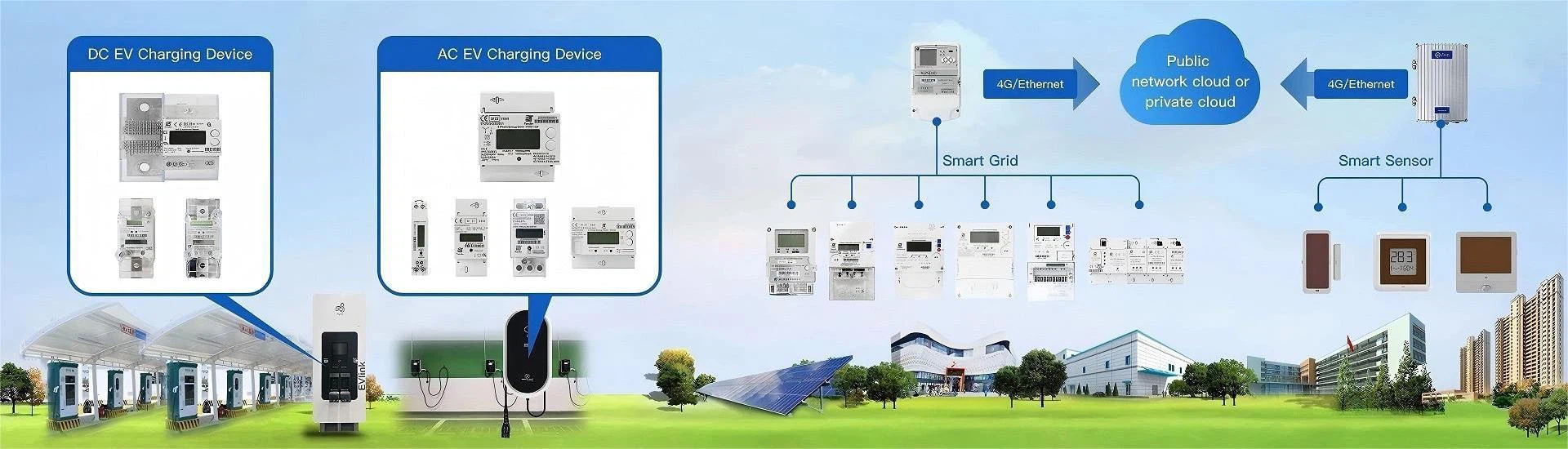
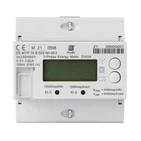
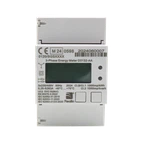
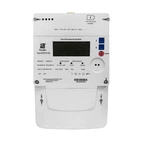
An EV Charging Power Meter is an advanced device designed to precisely measure and manage the electrical power flowing during the EV charging process. Acting as a crucial intermediary between the power source and the EV, it plays a multifaceted role in ensuring efficient, safe, and cost - effective charging operations.
How It Works: The Inner Mechanisms
At its core, the power meter employs sophisticated sensors and algorithms. When an EV is connected to a charging station, the meter immediately starts monitoring the electrical parameters. It measures the voltage, current, and power factor in real - time. By multiplying the measured voltage and current values, it accurately calculates the power consumption of the EV during charging. For example, in a standard Level 2 charging station with a voltage of 240 volts and a current of 32 amperes, the power meter can precisely determine the charging power as 7.68 kilowatts (240V x 32A). This data is then processed and can be displayed on the meter's interface, transmitted to a central management system, or integrated with other smart grid components.
Key Functions and Benefits
1. Accurate Energy Monitoring
EV Charging Power Meters offer unparalleled accuracy in energy measurement. This is essential for both EV owners and charging station operators. For fleet managers, accurate energy data helps in calculating precise operational costs. By knowing exactly how much energy each vehicle in the fleet consumes during charging, they can better budget for electricity expenses. In large - scale charging stations, operators can use this data to optimize pricing strategies, for instance, implementing time - of - use tariffs based on real - time power consumption patterns.
2. Load Balancing and Grid Integration
With the increasing penetration of EVs, grid stability is a major concern. Power meters play a vital role in load balancing. They can communicate with the grid infrastructure and charging station management systems to distribute the charging load evenly across the grid. For example, during peak electricity demand hours, the meter can adjust the charging power of multiple EVs connected to a station, preventing overloading of the grid. This not only ensures the stable operation of the grid but also reduces the need for costly grid upgrades in the short - term.
3. Fault Detection and Safety
Safety is a top priority in EV charging. Power meters are equipped with advanced fault - detection capabilities. They can continuously monitor for abnormal voltage fluctuations, over - current conditions, and ground faults. In the event of any such anomalies, the meter can immediately cut off the power supply to the EV, preventing potential electrical hazards. This is especially crucial in commercial and public charging stations, where a large number of vehicles are charged daily.
Business Opportunities in International Trade
From a trade perspective, the demand for high - quality EV Charging Power Meters is burgeoning globally. As more countries set ambitious targets for EV adoption, the need for reliable charging infrastructure, including power meters, is soaring. We, as a leading manufacturer, offer a range of power meters that comply with international standards such as CE, UL, and RoHS. We provide competitive pricing, with options for FOB (Free on Board) and CIF (Cost, Insurance, and Freight) shipping terms, ensuring seamless international transactions. Our products are customizable to meet the specific requirements of different markets, whether it's adapting to local electrical grid standards or integrating with existing charging station management software.
conclusion
The EV Charging Power Meter is not just a measuring device; it's a cornerstone of the modern EV charging ecosystem. By understanding its capabilities and potential, B2B clients can tap into the vast opportunities presented by the growing EV market and contribute to a more sustainable future.