

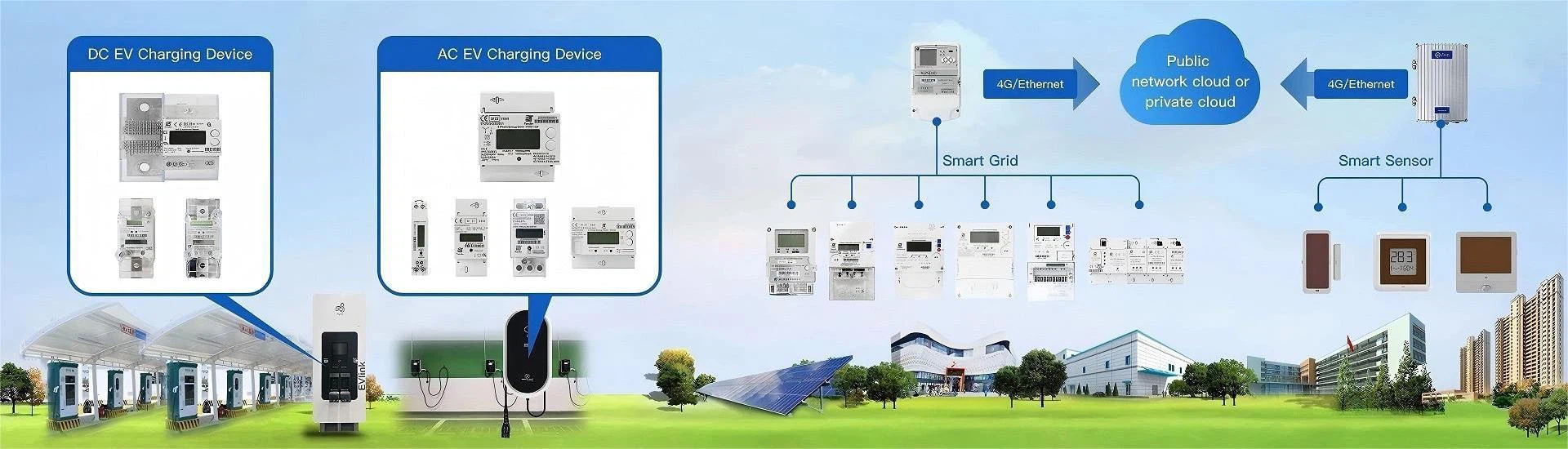
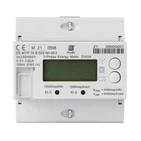
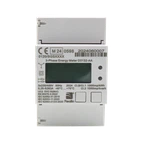
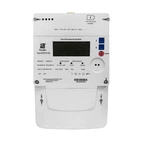
Smart meters are one of the basic devices for data collection in smart grids (especially smart distribution networks). They are responsible for collecting, measuring and transmitting raw power data, and are the basis for information integration, analysis optimization and information display. In addition to the basic electricity consumption metering function of traditional energy meters, smart meters also have a series of intelligent functions to adapt to the use of smart grids and new energy.
Contents
1 Features and functions of smart meters
1.1 Two-way multi-rate metering function
1.2 User-side control function
1.3 Two-way data communication function with multiple data transmission modes
1.4 Anti-theft function
2 Basis for judging whether a meter is a smart meter
2.1 Observe the appearance of the meter
2.2 Query the service of the power supply department
2.3 Check the meter function
1 Features and functions of smart meters
1.1 Two-way multi-rate metering function
Smart meters can support multiple rates, such as peak, flat and valley electricity prices, to adapt to different electricity price strategies and help users better control electricity costs.
1.2 User-side control function
Smart meters allow users to remotely control their electrical equipment, such as the switch of air conditioners, the heating time of electric water heaters, etc., so as to achieve reasonable use and conservation of energy.
1.3 Two-way data communication function with multiple data transmission modes
Smart meters have powerful communication capabilities and can exchange real-time data with the power grid management system through wired or wireless methods, such as RS-485, Wi-Fine, LoRa, NB-IoT, etc., to achieve remote monitoring and management of power consumption information.
Smart meters can effectively prevent the occurrence of power theft and ensure the safe operation of the power grid through technical means, such as data encryption and remote monitoring.
2 Basis for judging whether a meter is a smart meter
2.1 Observe the appearance of the meter
Although the appearance of smart meters may not be significantly different from that of traditional meters, smart meters are usually equipped with remote communication modules and display screens, which can display parameters such as power, voltage, and current.
2.2 Check the power supply department services
You can determine whether the meter is a smart meter by checking whether the power supply department provides automatic meter reading, power consumption inquiry, real-time power monitoring and other services. Smart meters can realize automatic meter reading and data transmission, which greatly reduces the workload of manual meter reading and improves the accuracy and real-time nature of data.
Smart meters usually have remote control switches, power limiting and other functions. These functions allow users to remotely control their electrical equipment and achieve effective management and conservation of energy.