

Overview of Smart Grid and Smart Power Usage
The smart grid is the intelligence of the power grid. It adopts integrated, high-speed two-way communication networks, advanced sensing and measurement technology, advanced equipment technology, advanced control methods and advanced decision-making support system technology, and organically connects various electrical equipment for power generation, energy storage, transmission, distribution, electricity consumption and power users through digital and information networks to fully and rationally utilize various energy resources, save energy and reduce emissions, promote the development of a low-carbon economy, and provide strong infrastructure and technical support.
The smart grid includes intelligent power generation, intelligent power transmission, intelligent power substation, intelligent power distribution, intelligent power consumption and intelligent dispatching. Among them, smart electricity consumption is a crucial part of the three major links of power system generation, supply and use, because power production and supply need to be balanced and completed in an instant. Without electricity use, there is no way to talk about power generation and power supply.
Smart electricity consumption is the goal of real-time data collection, rapid market response, accurate electricity measurement, control, communication and energy storage under the framework of smart grids, using modern management concepts and efficient and fast measurement, control, communication and energy storage technology to achieve real-time data collection, rapid market response, accurate electricity measurement, diverse charging methods, and convenient and efficient services. It has the characteristics of changing the traditional power usage methods to achieve real-time interaction with customers in multiple aspects; improving power supply and use information, forming an information interaction network and integrating and analyzing information; improving service quality, providing diversified and personalized value-added services; making management more scientific, meeting the country's strategic needs in developing a low-carbon economy and other aspects.
Smart meter and its characteristics
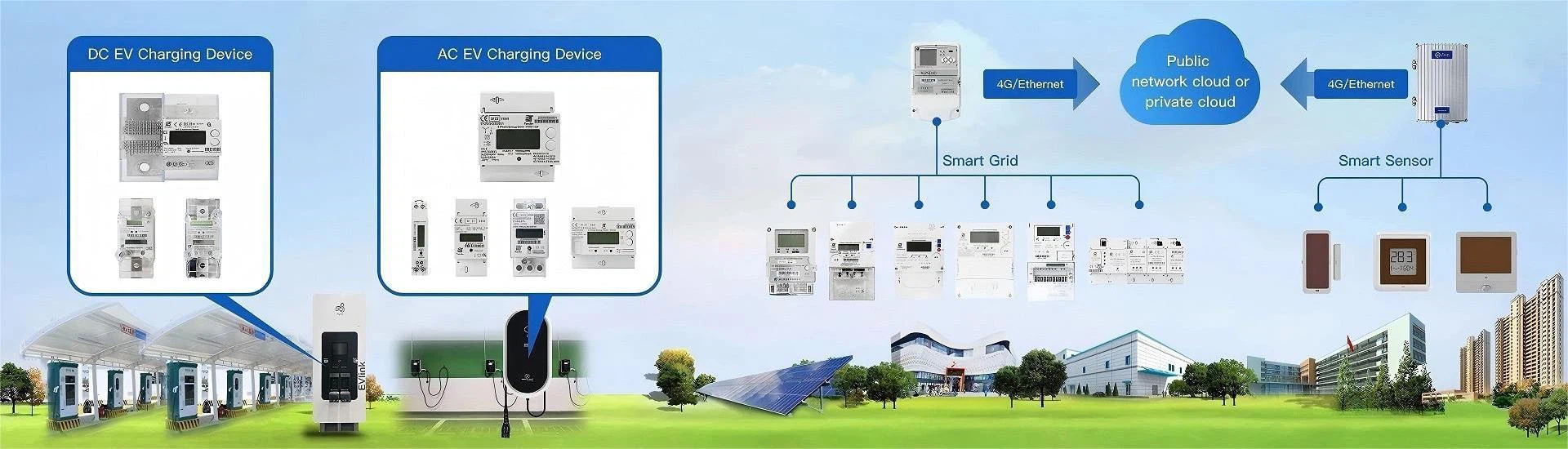
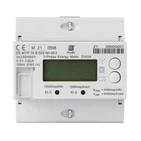
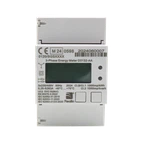
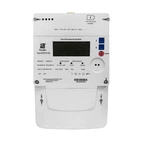
Smart meter is an indispensable and important basic equipment for smart electricity use. It has achieved a comprehensive breakthrough in the original electronic energy meter and is a more advanced new all-electronic energy meter.
It takes smart chips as the core and builds an exchange platform for multiple systems such as computers and communication technology. It has functions such as electricity metering, information storage and processing, real-time monitoring, automatic control, and information interaction. It supports actual needs such as two-way metering, ladder electricity prices, time-sharing electricity prices, peak-to-valley electricity prices, and other practical needs. It is also the technical basis for realizing distributed power metering, two-way interactive services, smart homes, and smart communities. At the same time, it can automatically alert residents' electricity load to avoid serious accidents such as short circuits and fires caused by overload. Residents can also use recharge cards or online recharge to pay their electricity bills, which is convenient and fast.
The important role of smart meters in smart electricity use
Smart meter plays a multitude of important roles in smart electricity use, as follows:
- Improve load prediction accuracy: Power users can upload relevant electricity consumption data through smart electricity meters. Power supply companies use this as a basis to improve load prediction accuracy, reduce the backup capacity of the power grid, and provide users with more power resources.
- Optimize the first choice of new energy: use real-time data acquisition and measurement of smart meters to formulate accurate load predictions, guide the optimization and scheduling of new energy, coordinate relevant systems, and help users give priority to the use of new energy.
- Improve distributed energy utilization efficiency: Through smart meter, real-time monitoring and adjustment of distribution systems, solve the problem of grid-connected operation of distributed power supplies and power grids, optimize configuration, and improve grid operation reliability and energy utilization efficiency.
- Provide fault analysis basis: Smart meter has a variety of metering and recording functions, which can monitor power consumption in real time and provide reliable real-time data for fault analysis.
- Provide intelligent demand-side management: collect real-time operation data of the power grid, intelligently monitor and analyze the status of power consumption equipment and energy consumption status, and realize intelligent demand-side management.
- Realize user participation and interaction: Through the two-way communication function, automatic meter reading is realized, and various types of electricity use information are provided to users, so that users can rationally use electricity and participate in load regulation.
- Create a friendly environment for power grids: Adopt advanced technology to ensure accurate power measurement in complex operating conditions and reduce harmonic impact.
- Eliminate traditional power theft: Through special installation design, the live wire and neutral wire are monitored simultaneously to avoid traditional power theft.
- Promote the modernization of power marketing: Enable comprehensive microcomputer management of related work of power supply companies, with a variety of convenient functions, and provide support for power consumption management and dispute handling.
- Supports smart home appliance control and two-way metering: controls the start and shutdown of home appliances based on real-time electricity prices, realizes peak-cutting and valley filling of power grids, and provides metrology support for distributed power users.
The importance of smart meter
As an important basic equipment for smart grids, smart meters play an important supporting role in ensuring that the power grid is informatized, automated, and interactive, and power users are able to achieve intelligent electricity use. Its many important roles in smart electricity use not only improves the operating efficiency and management level of the power system, but also brings users a more convenient, efficient and economical power use experience. It also helps the country's energy conservation, emission reduction and low-carbon economy development. It is of great significance to the development of smart grids and will definitely play an important supporting role in the process of realizing smart grids.