

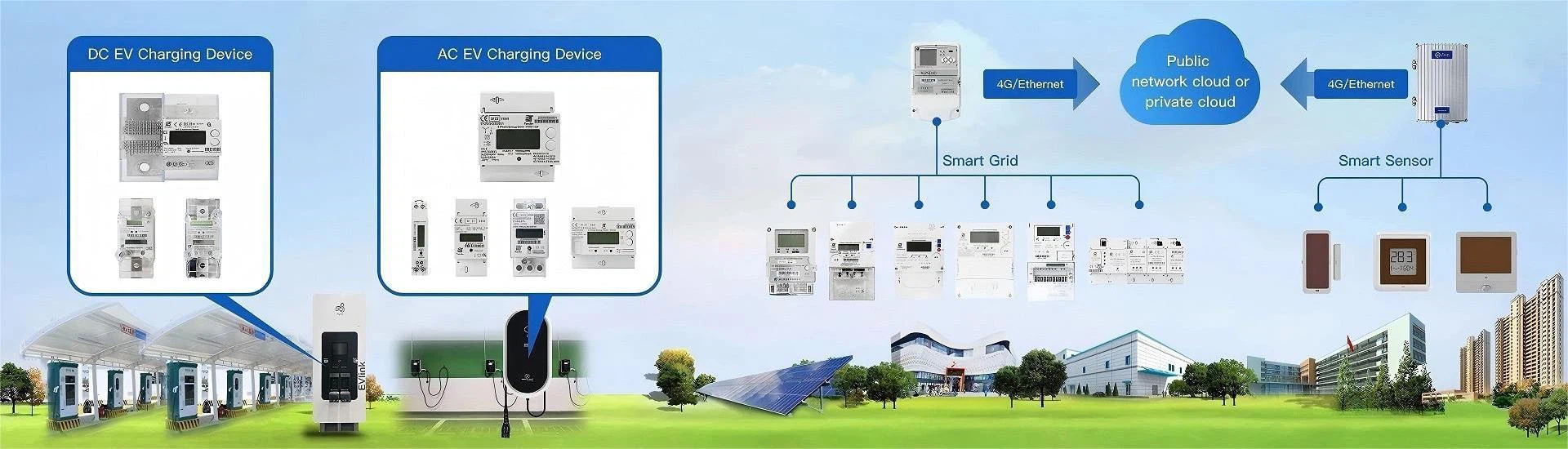
An AC meter, also known as an alternating current meter, is a device used to measure the characteristics of alternating current (AC) in an electrical circuit. These meters come in various types and designs, each tailored for specific applications, such as measuring voltage, current, frequency, or power in an AC circuit. Let's delve into the usage and types of AC meters to understand their functions and applications more comprehensively.
Voltmeter: A voltmeter measures the voltage in an AC circuit. It's connected in parallel to the component or section of the circuit where voltage needs to be measured. Voltmeters are available in analog and digital formats.
Ammeter: An ammeter measures the current flowing through an AC circuit. It's placed in series within the circuit to measure the current passing through the device. Like voltmeters, ammeters also come in analog and digital forms.
Wattmeter: A wattmeter measures the power consumed in an AC circuit. It combines voltage and current measurements to determine the power. It can be used in both single-phase and three-phase circuits.
Frequency Meter: Frequency meters are used to measure the frequency of an AC signal. They are often used in applications where precise frequency control is required, such as in power generation or distribution systems.
Using an AC Meter:
1. Safety Precautions:
Before using any AC meter, ensure that it's rated for the voltage and current levels of the circuit being measured.
Confirm that the meter is in good working condition and has the necessary calibration.
Use appropriate personal protective equipment (PPE) when working with electricity.
2. Select the Correct Meter:
Choose the type of AC meter needed for the specific measurement (voltmeter, ammeter, wattmeter, etc.).
Ensure the meter's range is suitable for the expected values in the circuit.
3. Connecting the Meter:
For voltage measurement, connect the voltmeter in parallel with the load or component.
For current measurement, place the ammeter in series with the circuit.
4. Reading the Meter:
Observe the display or scale on the meter. Analog meters have a pointer moving across a scale, while digital meters show numeric values.
Take note of the units and magnitude indicated on the meter to interpret the measurement accurately.
5. Recording and Analysis:
Record the measured values for documentation purposes or analysis.
Analyze the readings to understand the performance or behavior of the AC circuit.
6. Safety Disconnection:
After measurement, disconnect the meter safely from the circuit to avoid any potential hazards.
Ensure the meter is switched off and return it to its storage or designated place.