



This article takes the design of smartmeters asthe background and conductsin-depth analysis and exploration of commonly used single-chip resources. Firstly, the development status and application requirements of smart meters were introduced, followed by a detailed interpretation and analysis of the on-chip resources of microcontrollers, such as timers, serialcommunication interfaces, analog-to-digitalconverters, etc.. Furthermore, based on practicalcases, the ap- plication methodsand techniquesoftheseon-chip resourcesin smartmeterswerediscussed. Finally, the significanceofra- tionalutilization of on-chip resources in improving the performance and functionality of smart meters was summarized, and future developmentprospects were discussed.
Keywords: smartmeter; microcontroller; timer; analog-to-digitalconverter
Content:
2. Development status and application requirements of smart meters
3.Analysis of MCU On-Chip Resources
3.1 Serial Communication Interface
3.2 Analog-to-digital converter
4. Continuous optimization and improvement
1. Introduction
With the development of the power industry and technological progress, traditional electric energy meters have been gradually replaced by smart meters. Smart meters have the characteristics of high measurement accuracy, rich functions, and remote monitoring, and have become an important tool for monitoring and management of power systems. One of the core components of smart meters is the embedded single-chip microcomputer, which integrates rich on-chip resources, such as timers, serial communication interfaces, analog-to-digital converters, etc., providing strong support for the functional realization of smart meters. This paper will conduct an in-depth analysis and application discussion on the on-chip resources of commonly used single-chip microcomputers for smart meters, aiming to provide certain reference and guidance for the design and development of smart meters.
2. Development status and application requirements of smart meters
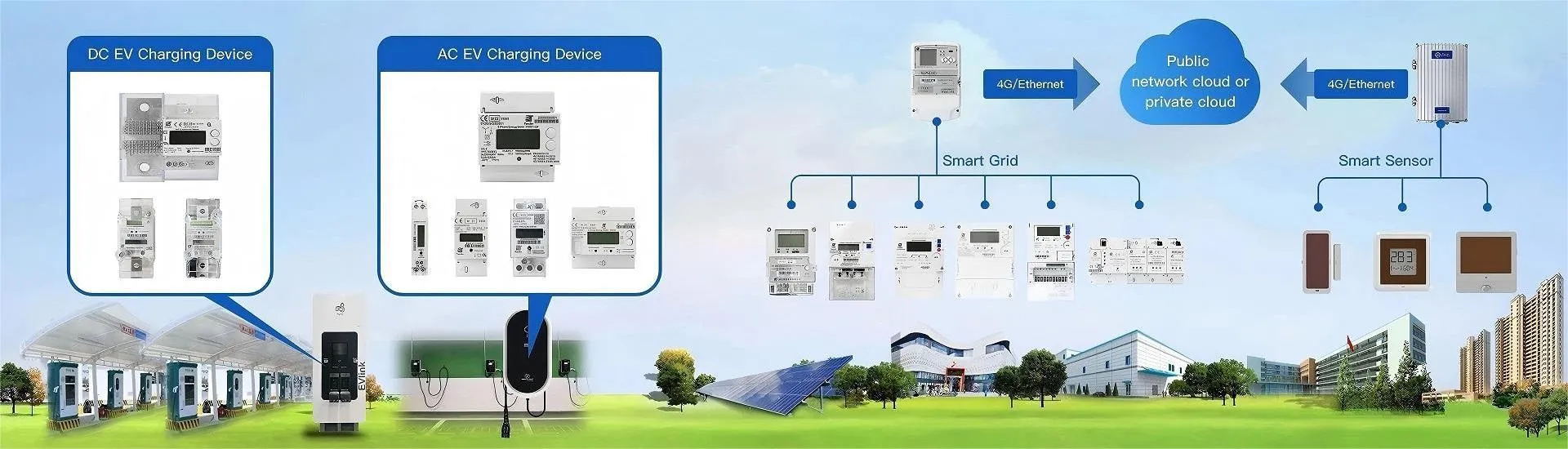
As key equipment for monitoring and management of power systems, smart meters have been widely used in the modern power industry. Smart meters have become an indispensable part of the power system with their high intelligence, accurate measurement capabilities and convenient remote monitoring functions.
3.Analysis of MCU On-Chip Resources
In the design of smart meters, the MCU is the core controller, and its on-chip resources play a vital role in the performance and functions of smart meters. Commonly used MCU on-chip resources include timers, serial communication interfaces, and analog-to-digital converters (ADCs).
3.1 Serial Communication Interface
Serial communication interface is one of the important ways for microcontrollers to communicate data and exchange information with external devices. Common serial communication interfaces include UART, SPI, I2C, etc., which can achieve stable and efficient data transmission with external devices. In smart meters, serial communication interfaces can be used for data communication with remote monitoring centers to achieve remote transmission and monitoring of power data. They can also be used for data exchange with other external devices, such as data collection and interaction with sensor modules, so as to achieve real-time monitoring and control of power loads.

3.2 Analog-to-digital converter
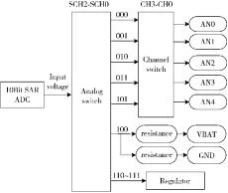
ADC is one of the important functional modules of the microcontroller, which is used to convert analog signals into digital signals to achieve accurate sampling and measurement of analog quantities such as voltage and current. In smart meters, ADC can collect and measure voltage and current signals, thereby achieving accurate measurement and monitoring of electric energy. By reasonably configuring the sampling rate and resolution of ADC, the accuracy and precision of electric energy measurement can be improved to meet the needs of power system monitoring and management.
4. Continuous optimization and improvement
The design and development of smart meters is a process of continuous optimization and improvement. It requires continuous reference to experience, learning lessons, continuous improvement of design solutions, and optimization of system performance. Through continuous technological innovation and improvement, the functional level and performance indicators of smart meters can be continuously improved to meet the changing needs of users.
5. Conclusion
The design and development of smart meters requires full use of the on-chip resources of the microcontroller and combination of various application methods and techniques to achieve functional improvement and performance optimization. By rationally configuring timers and utilizing technical means such as serial communication interfaces and analog-to-digital converters, accurate measurement and timing control of electric energy can be achieved, thereby improving the intelligence level and measurement accuracy of electric meters.